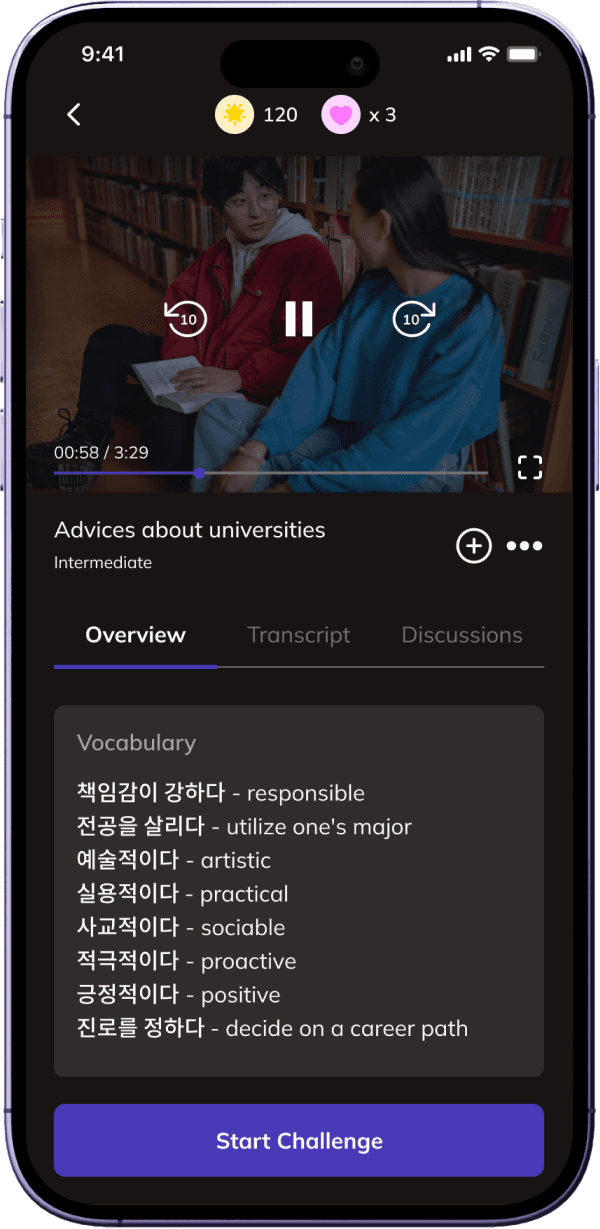
Insider - Korean Language Learning App
This case study is based on my Master's thesis at Seoul National University of Science and Technology. It details how I applied motivational design to increase long-term user engagement which is a key to retention.
My Role:
Research Advisor:
Tools:
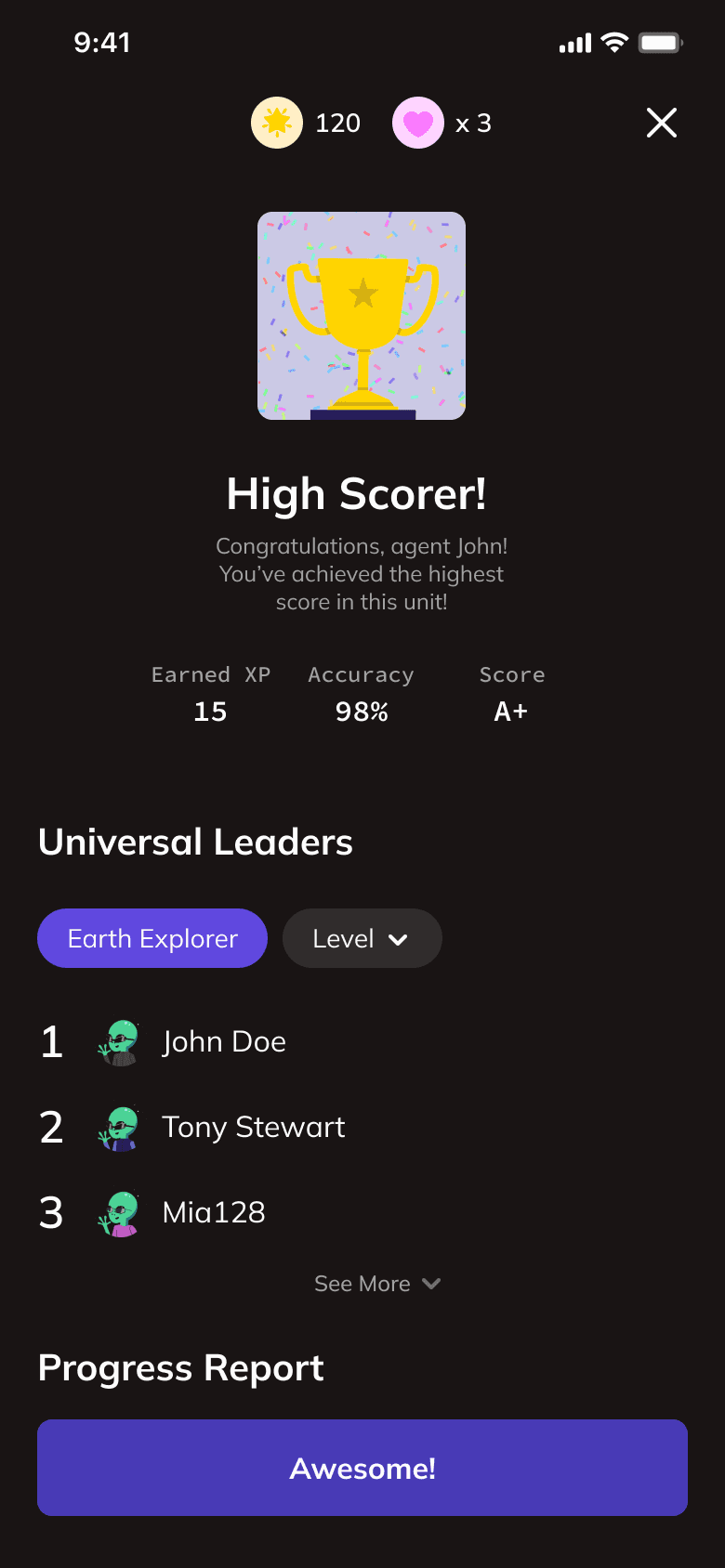
Key Results
100% said the app felt more engaging
Indicates a high level of sustained attention
100% found the experience meaningful and relevant
A key predictor of sustained motivation and continued use
90% felt more confident and motivated to continue
Indicates a reduced risk of early-stage drop-off
80% expressed satisfaction and willingness for continuous use
Indicates a positive emotional response and potential for repeat usage

Research

Synthesis

Ideation
Gamification System
IA & User Flow
Service Blueprint
Wireframes

Design
Design System
UI Design & Prototype
User Testing
Design Iteration

Reflection
User Evaluation
Conclusion
Desk Research
User Retention Problem
Mobile language-learning apps often face a retention problem:
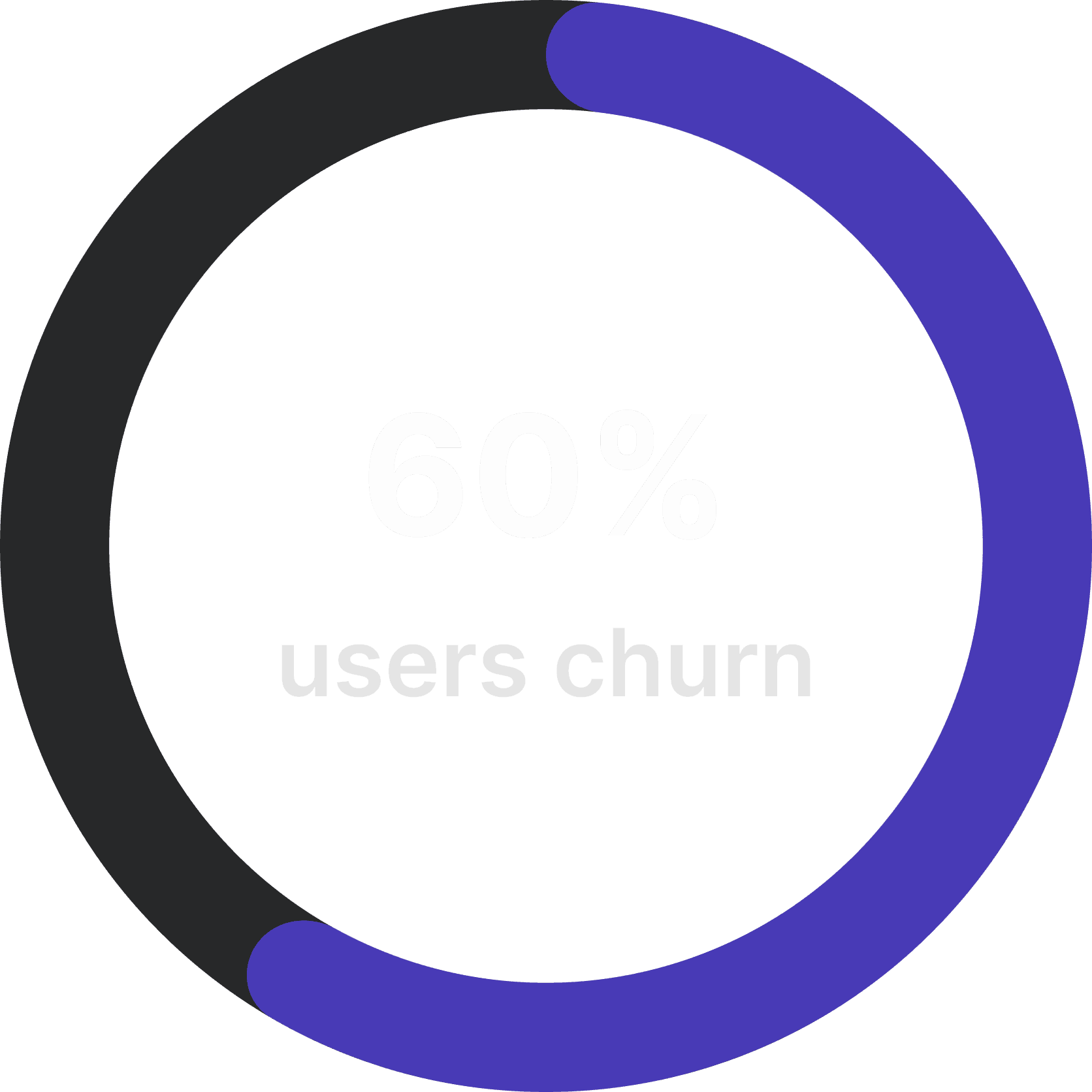
Churn rate within the 1st week
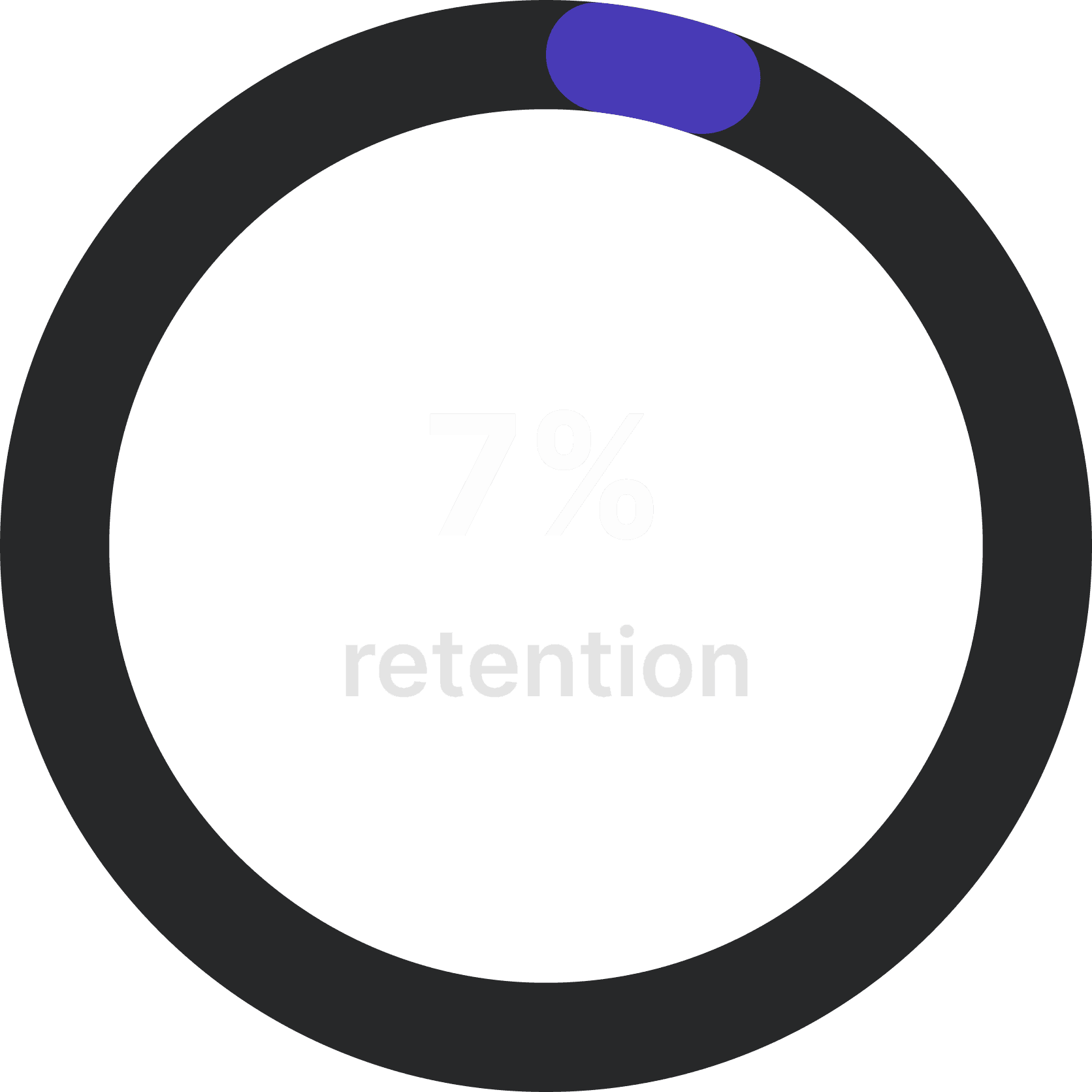
Retention rate after 1 month
While most products try to deal with this through streaks, badges, and leaderboards, these mechanisms often create short-term engagement, leading to declining retention and LTV:
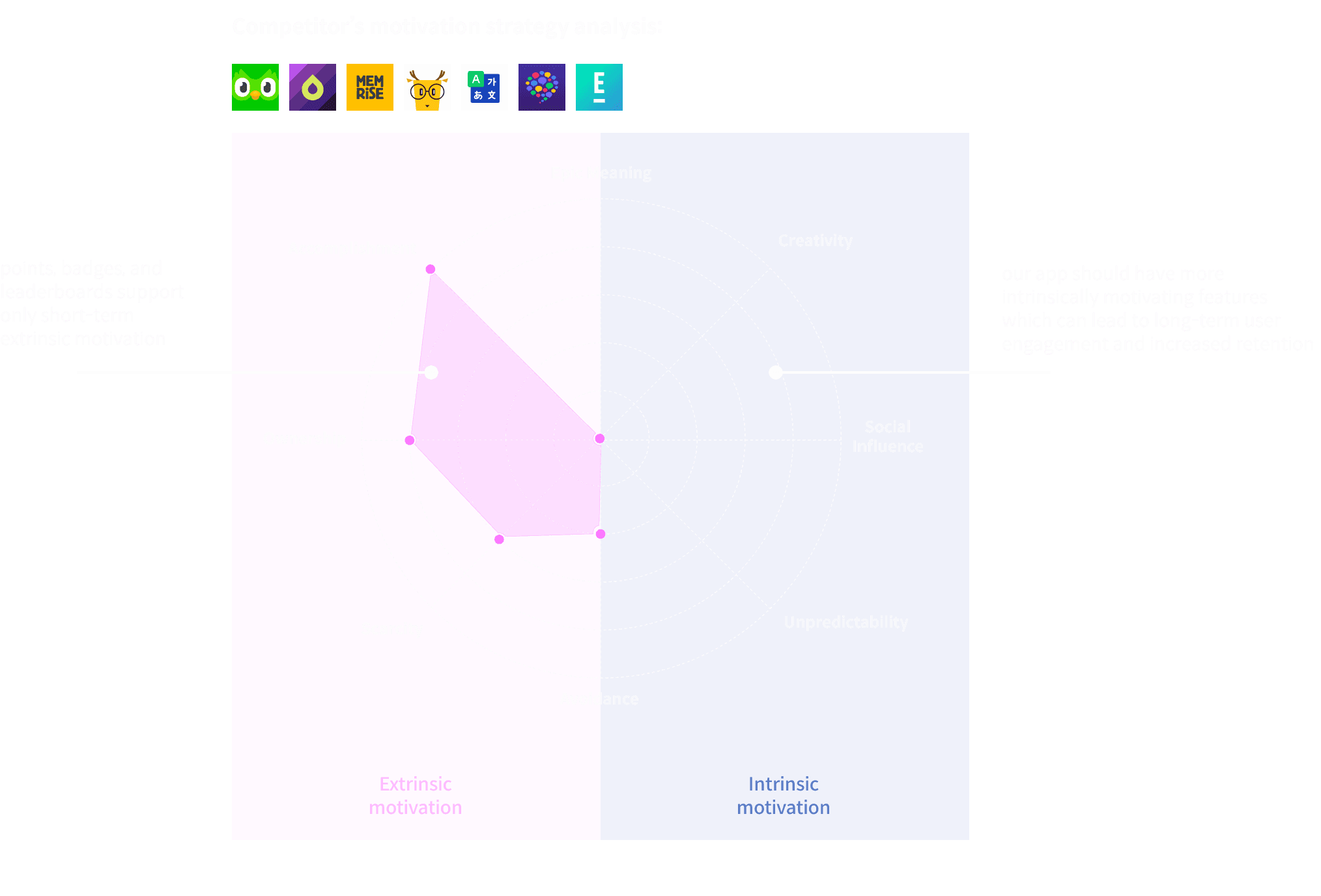
So I wanted to find out:
The Question:
Research and Design Strategy
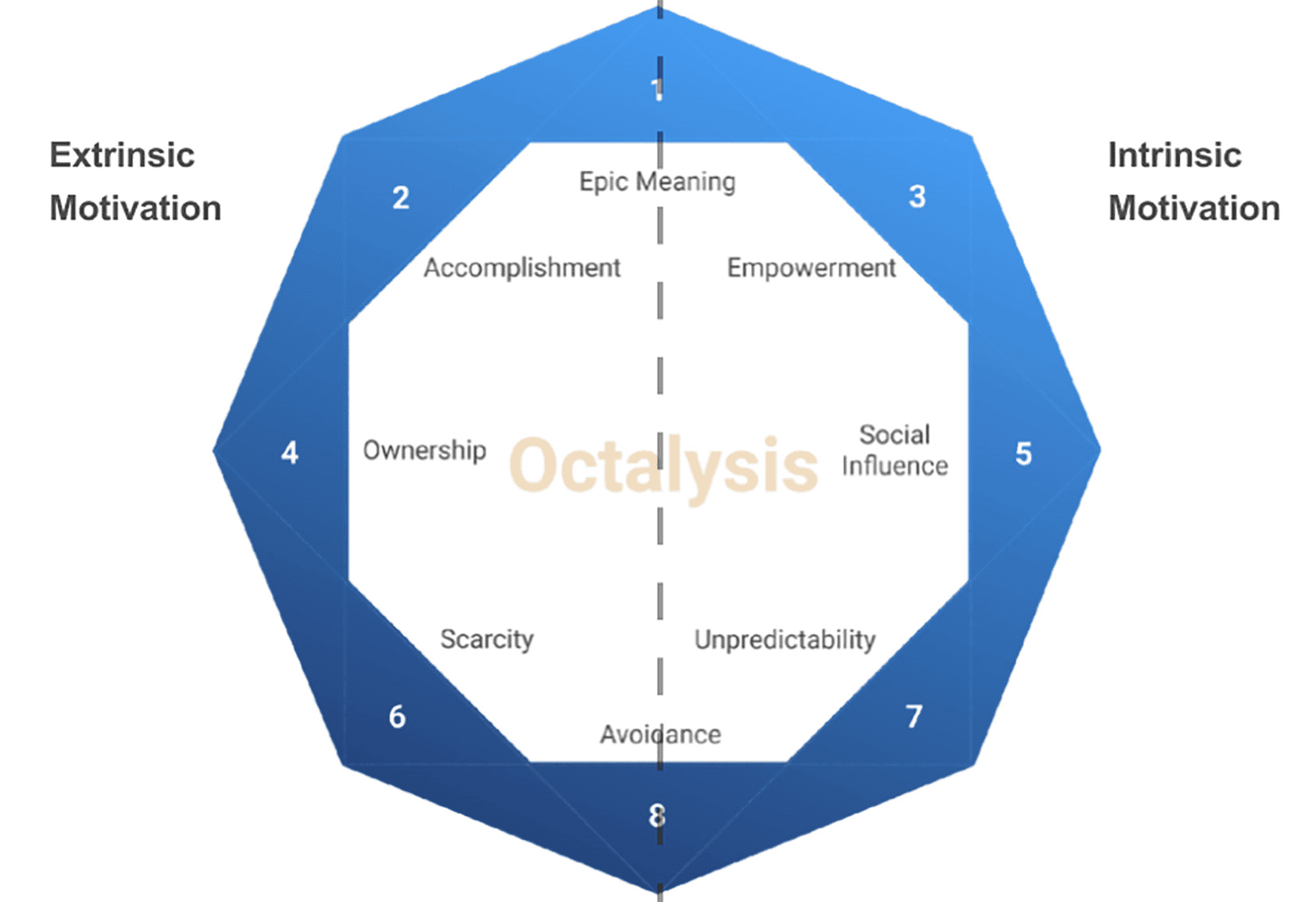
To address retention at its root, I moved beyond traditional UI/UX. I focused on behavioral design to understand why users behave the way they do and how to design for continuous user engagement. So I used three frameworks to inform product decisions:
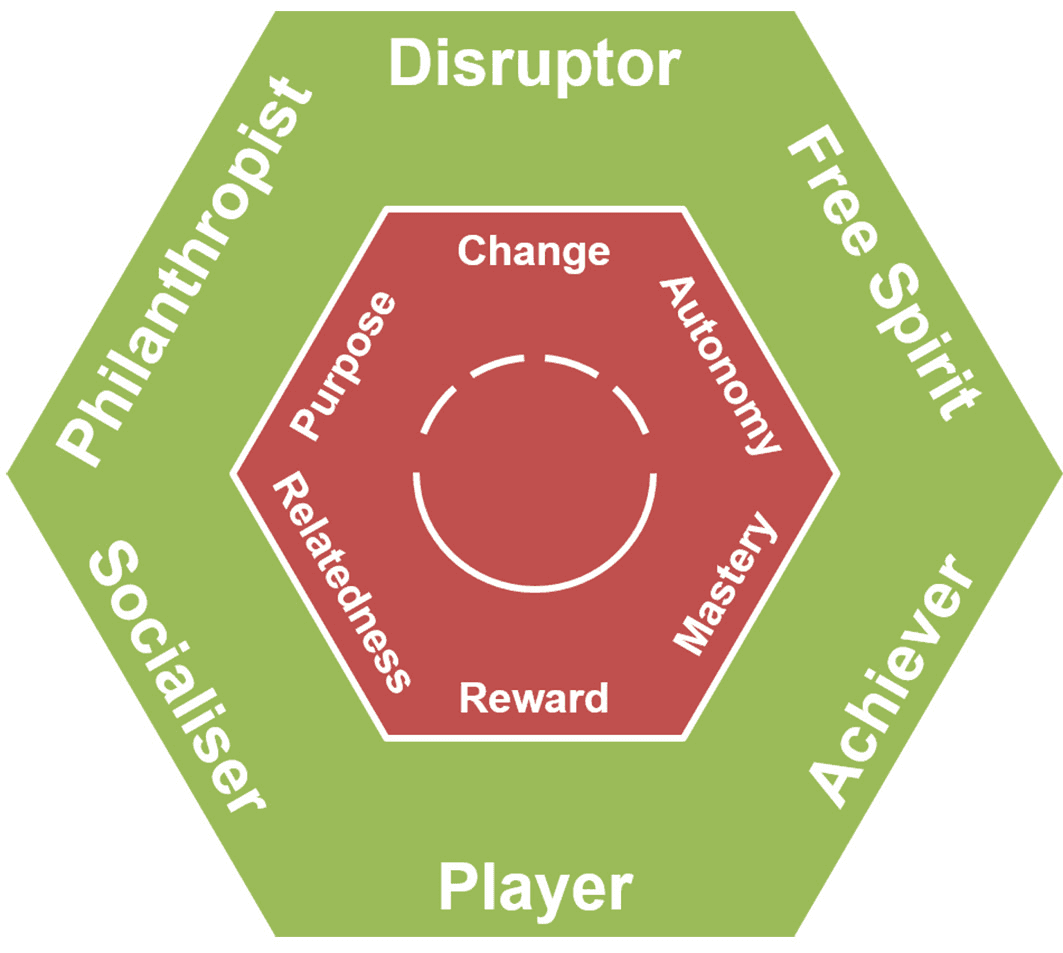
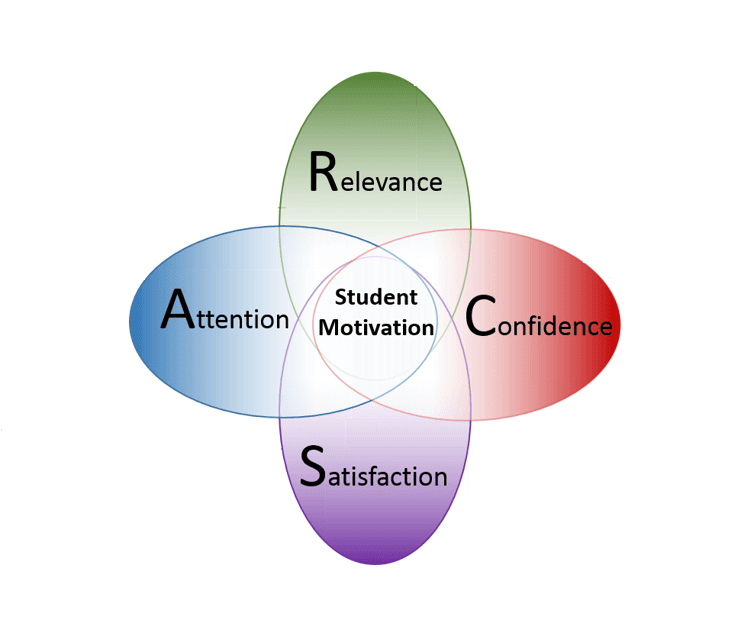
ARCS Model
User Research
User Research Findings
26 Korean language learners were invited for user interviews
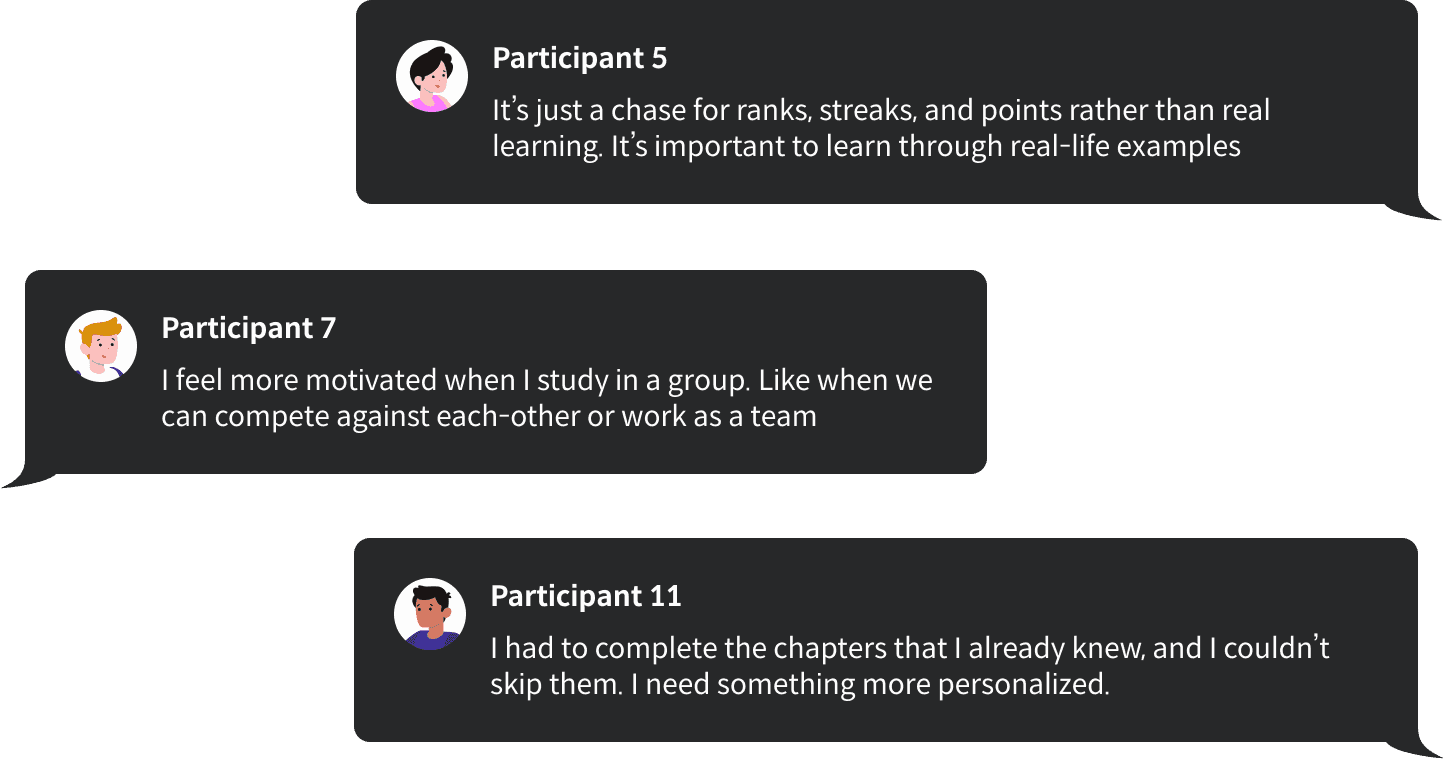
The interview findings helped to identify three main pain points:
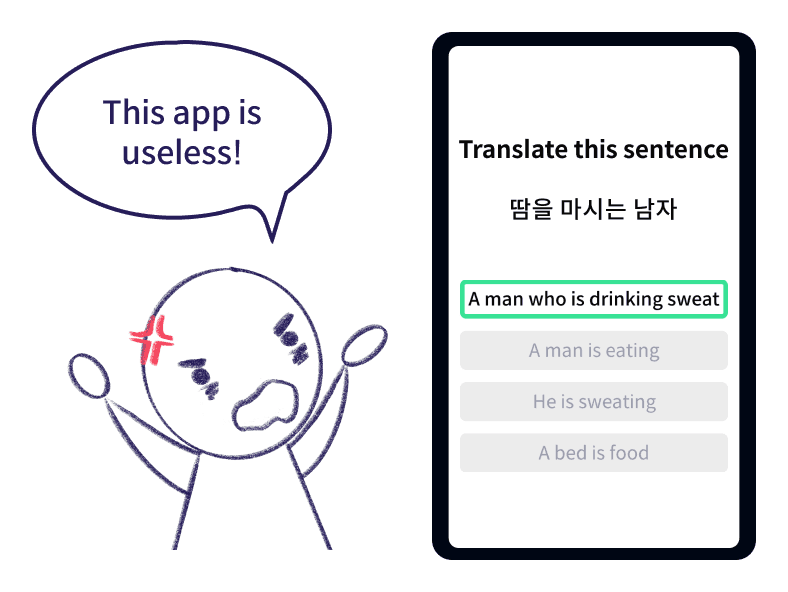
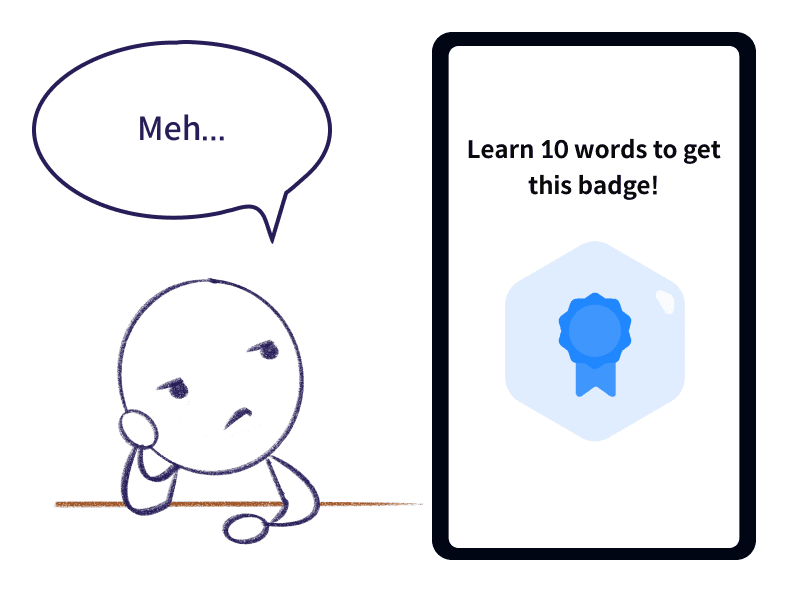
Motivation decay
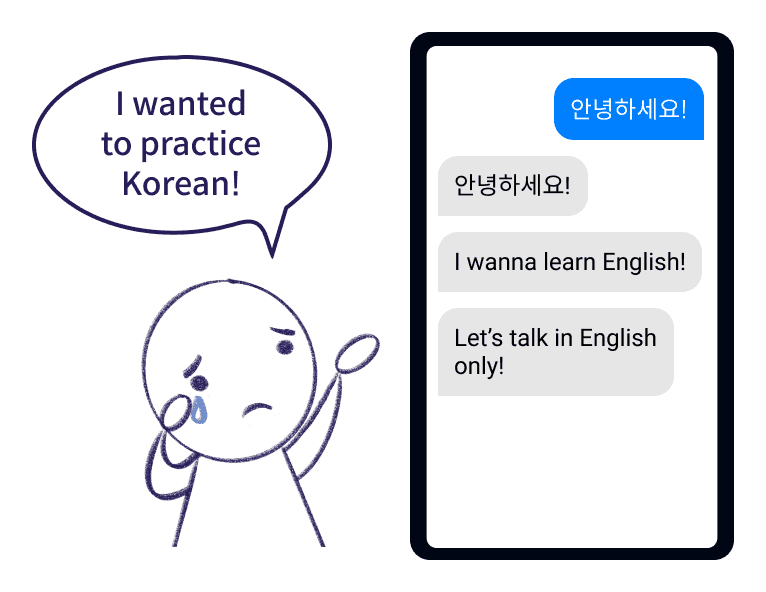
Unhelpful chatting
Based on interview findings, I mapped typical experience of users on leading language-learning platforms (e.g., Duolingo, LingoDeer, Memrise) to identify failures in retention and how to solve the issue.
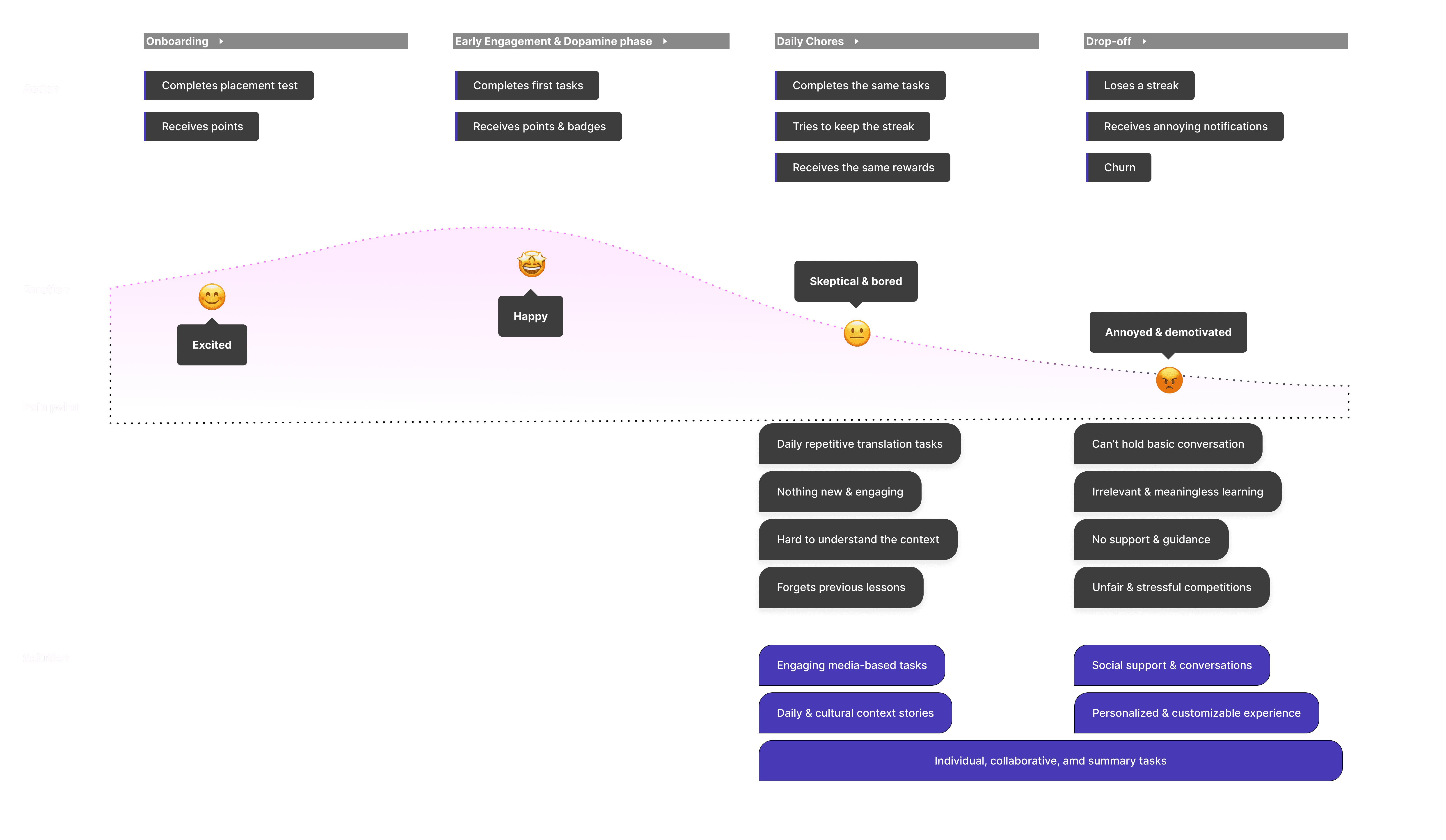
I found that current apps prioritize short-term dopamine rewards (points and badges) and neglect sustaining long-term user engagement. So based on this:
Insight 1:
Insight 2:
Synthesis
User needs for long-term engagement
During user interviews, I was also able to identify user needs and requirements:
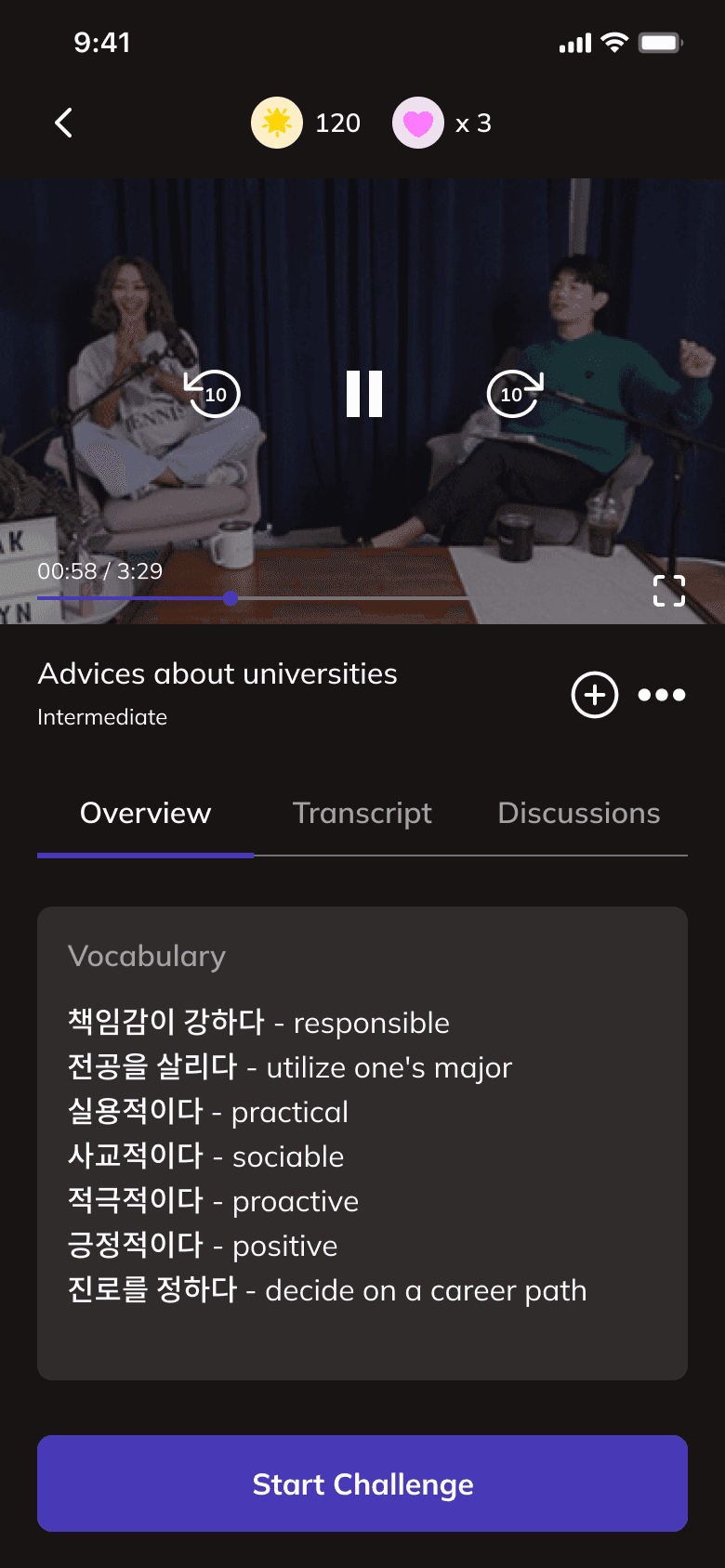
Media-based content and different tasks
Users wanted different types of practice tasks and media-based content to stay engaged understand the context
Learn about Korean culture
Learning Korean culture helps them understand the context and how to use the language in real life
Personalized and curatable experience:
Personalized learning paths
Maps and levels forced users to complete irrelevant lessons before reaching what they actually needed
More autonomy and control
Users wanted to set their own goals, notification schedules, learning plans, and challenges
Individual and collaborative tasks
Some participants enjoyed competitions, but others found them stressful and unhelpful, preferring individual and collaborative tasks instead
Peer and mentor support
Users needed guidance from peers and mentors to feel more confident
Synthesis
Persona
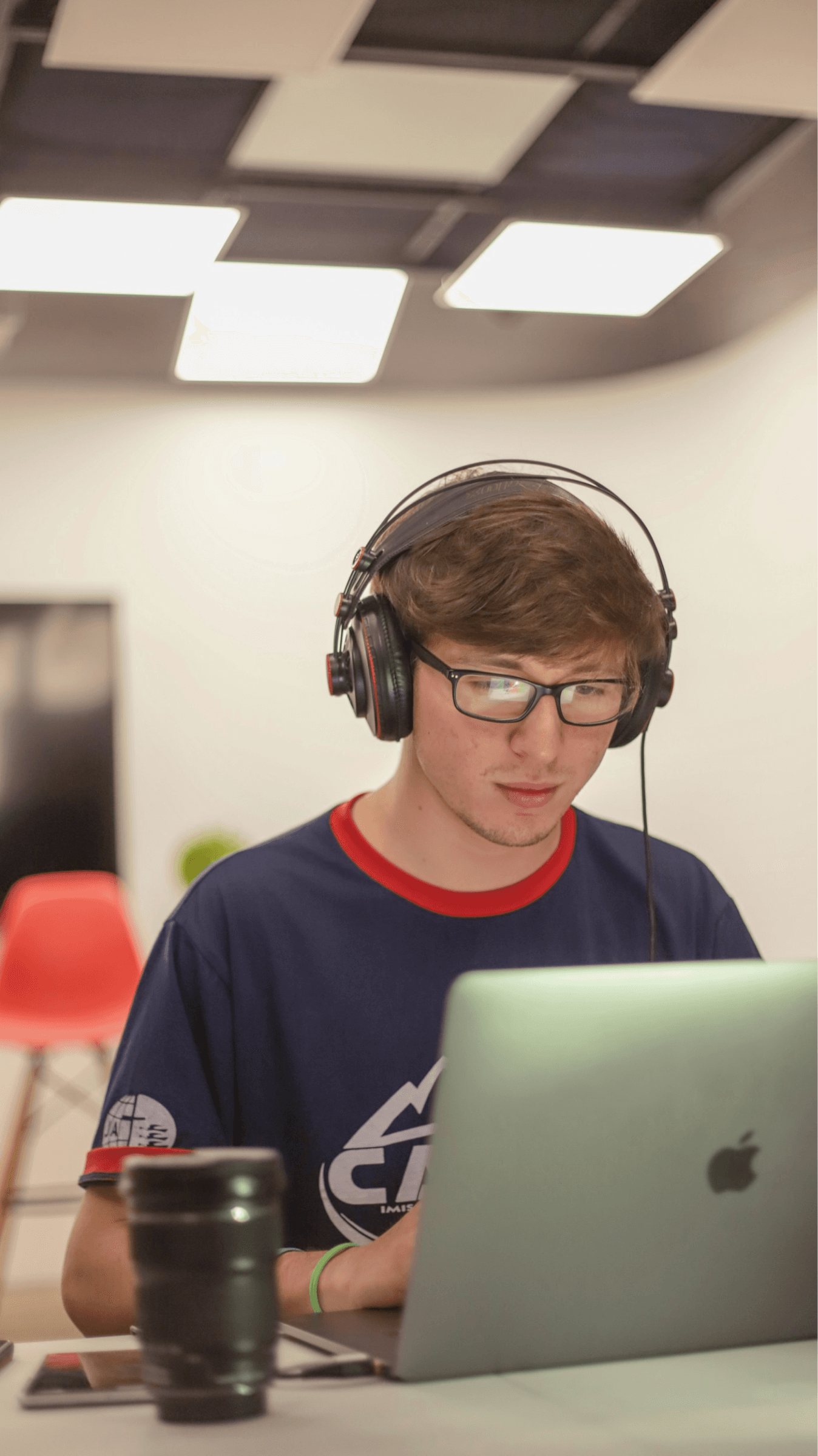
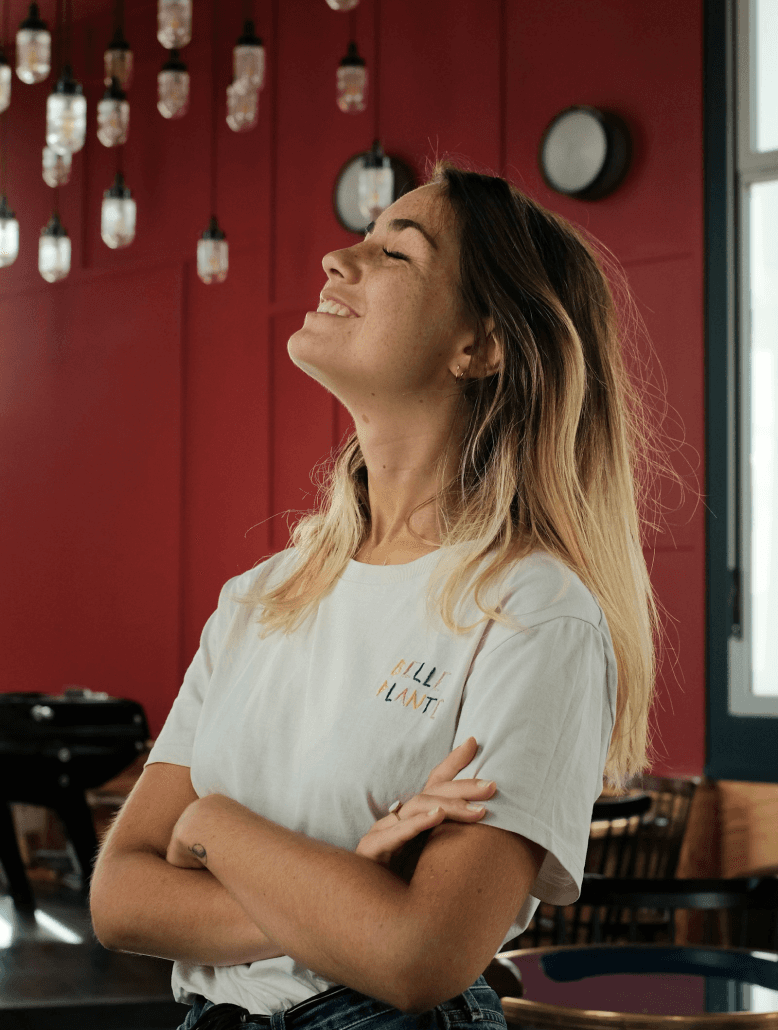
Based on the user research findings, I developed personas to guide the design decisions:

Ideation
Game Story Development
Instead of boring levels and translation tasks, I designed a story-driven learning system ✨
The story was inspired by the "Alien Registration Card," a foreigner identification card in Korea. This unique terminology sparked the idea of undercover agents trying to integrate into human society by learning Korean language and culture.
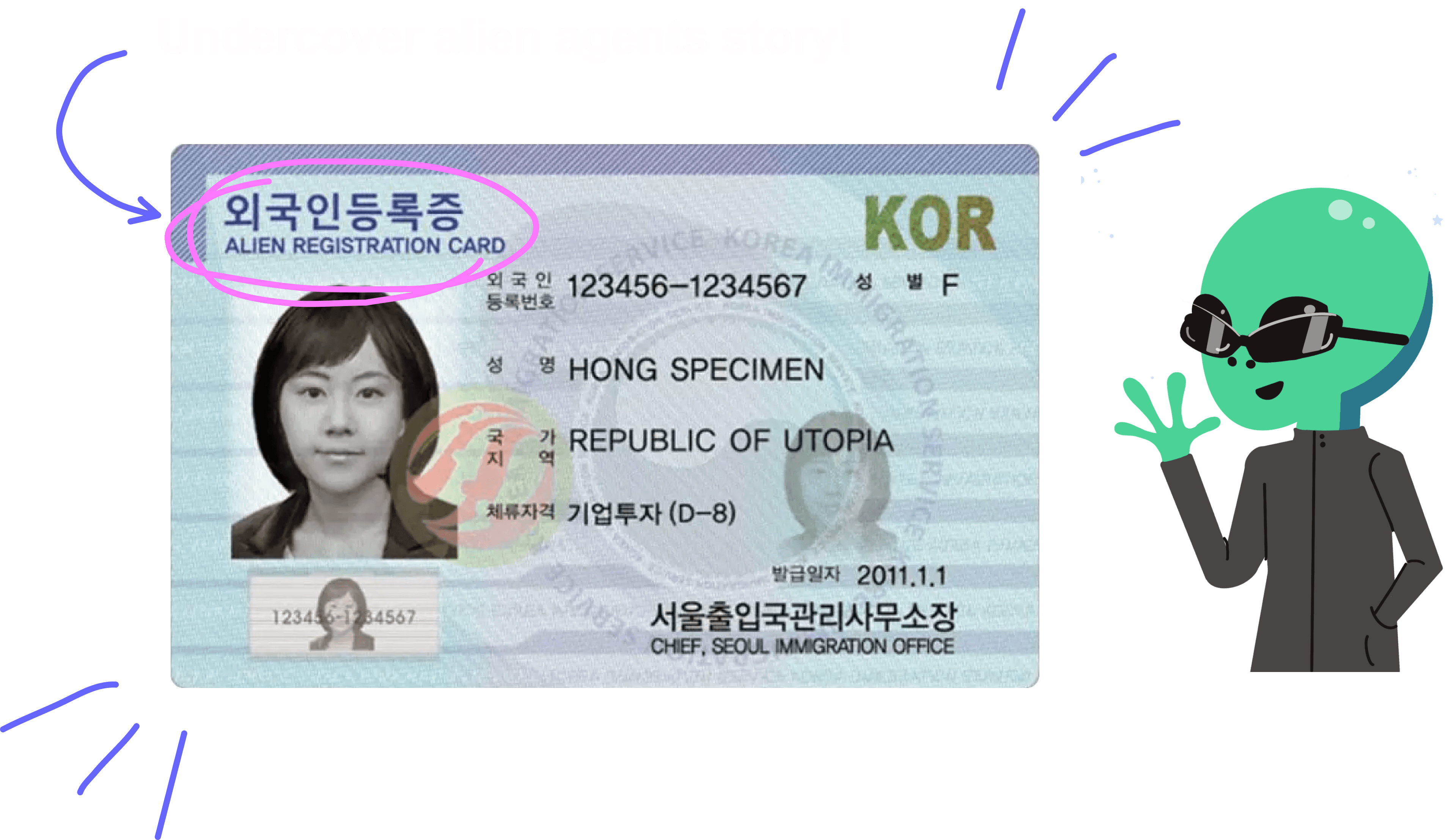
The main mission is:
Ideation
Information Architecture
It was important to choose game elements that matched design requirements and motivated users with different behavior. So I used Octalysis game elements and planned how to apply them:
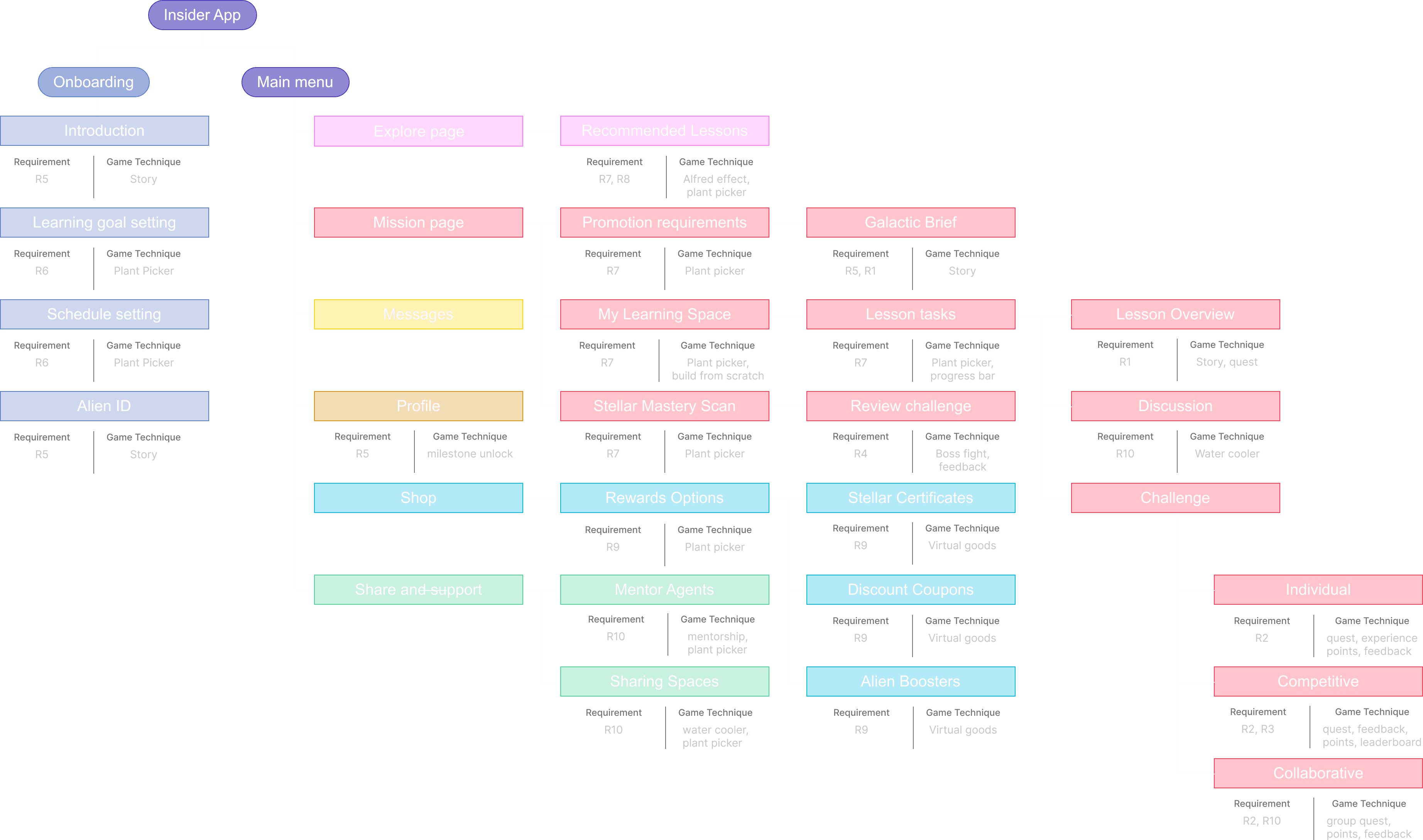
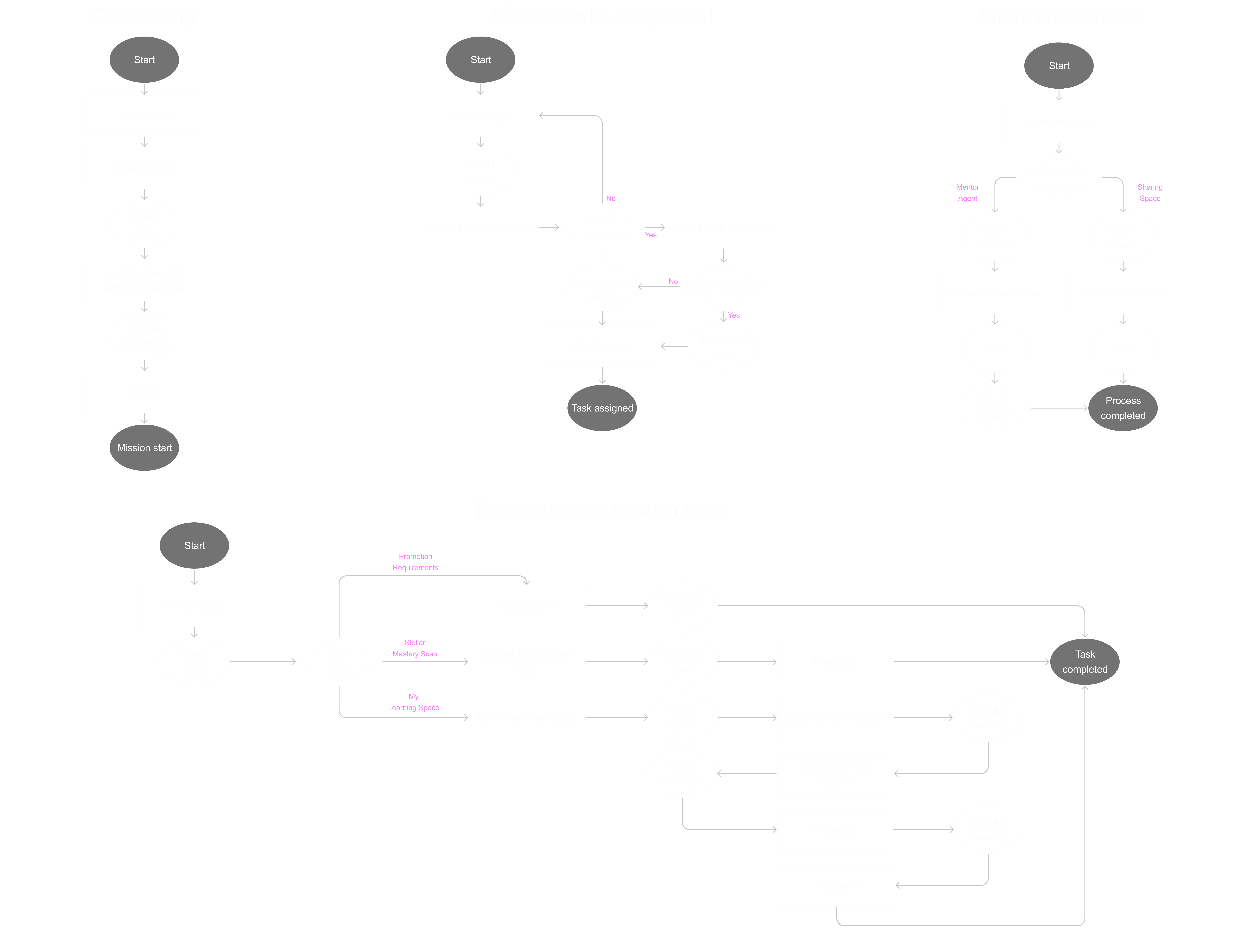
User flows
Service blueprint
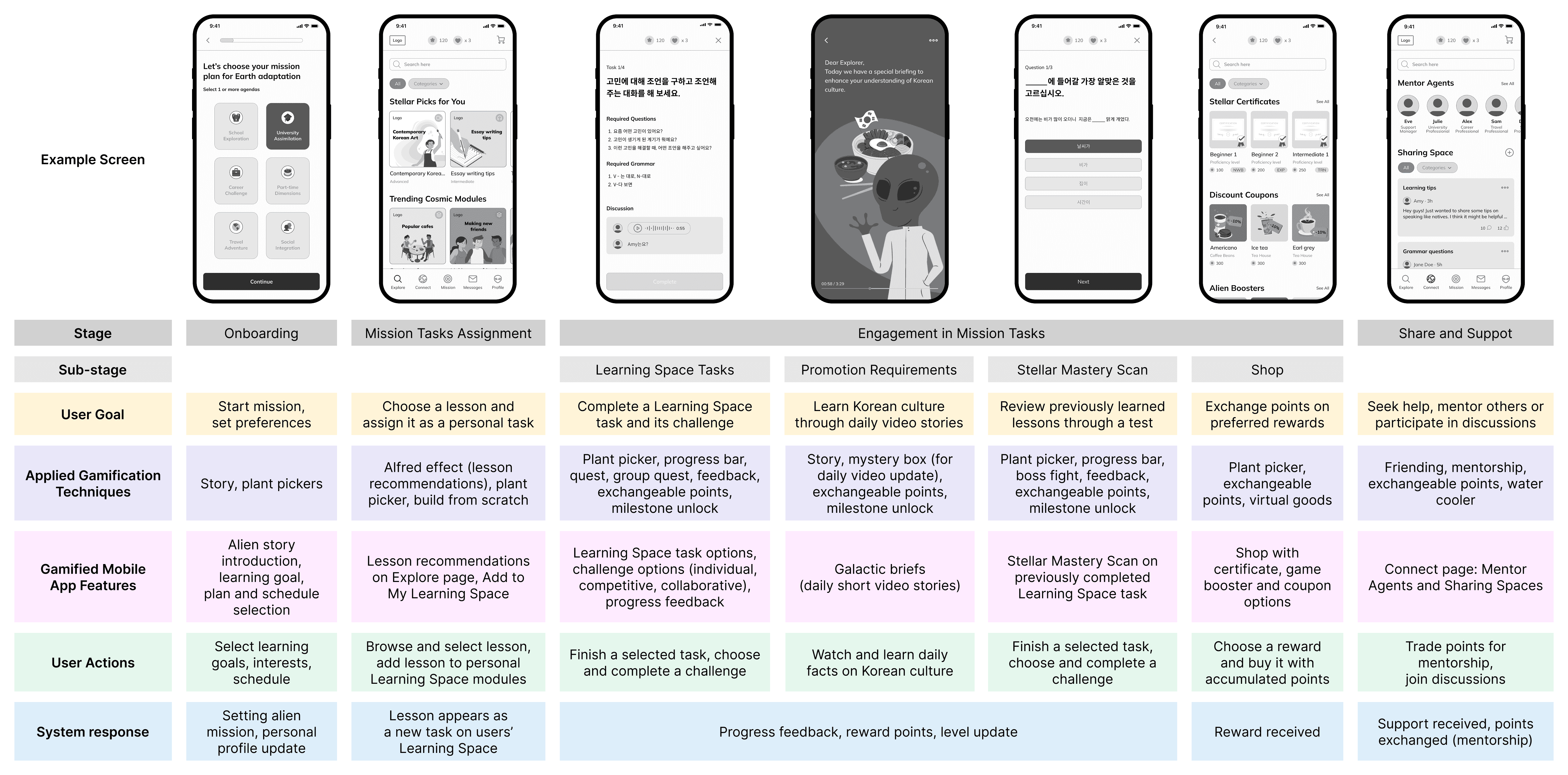
Ideation
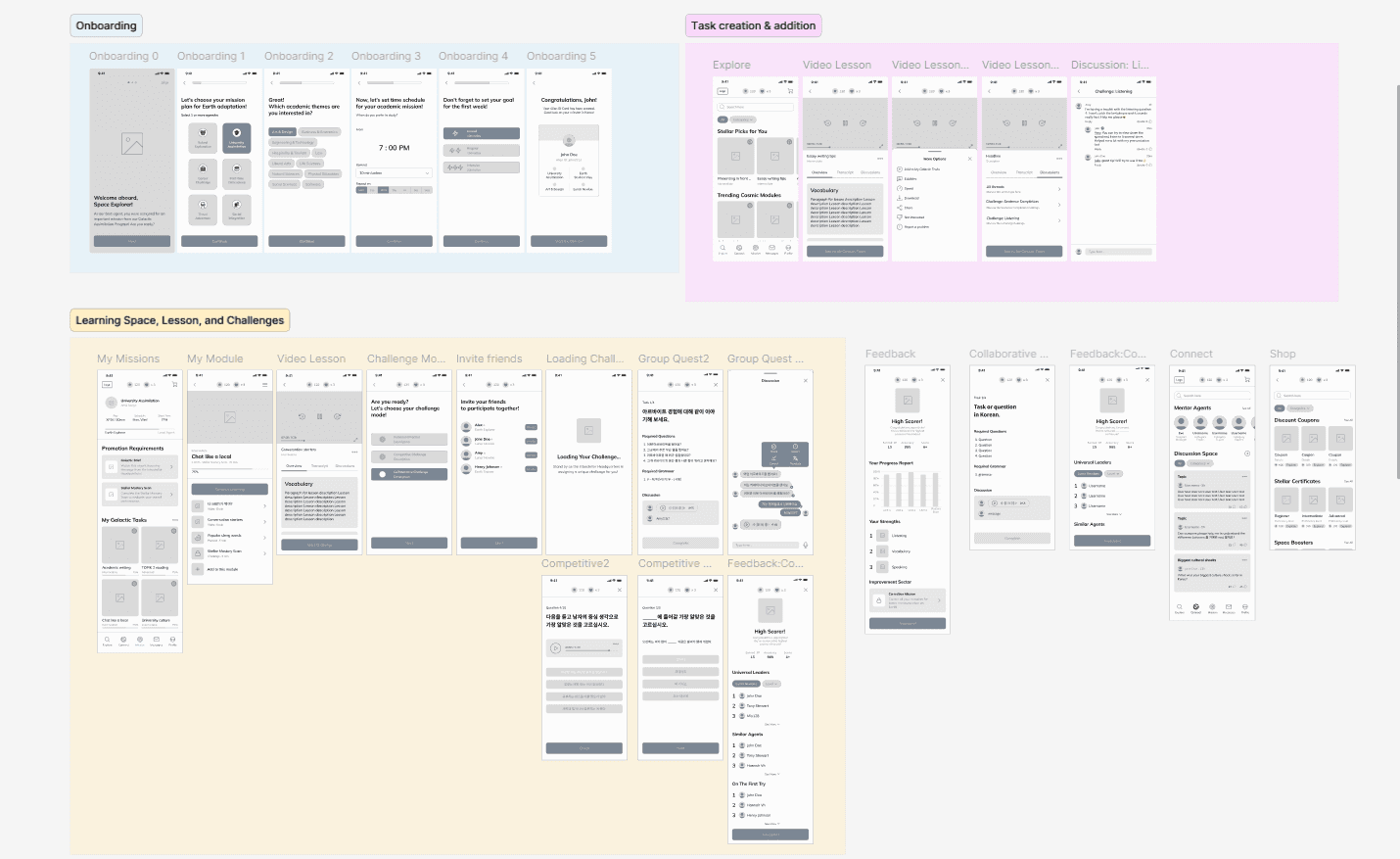
Wireframes
To test the ideas and get user feedback I prepared wireframes and a low-fidelity prototype.
Ideation
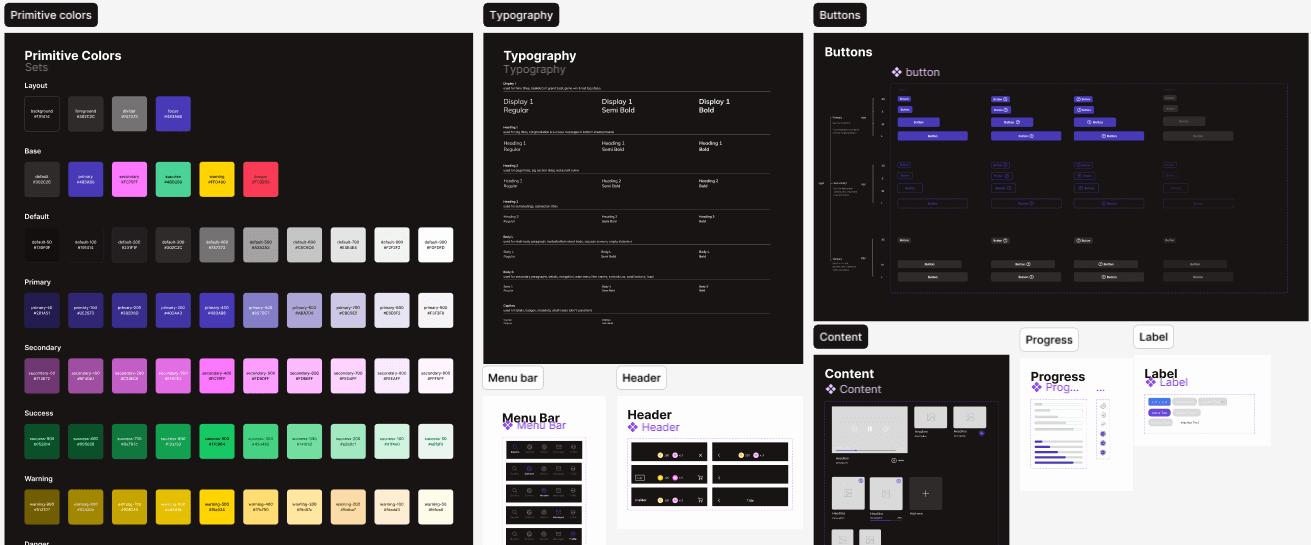
Design System Preview
Design
User Testing and Improvements
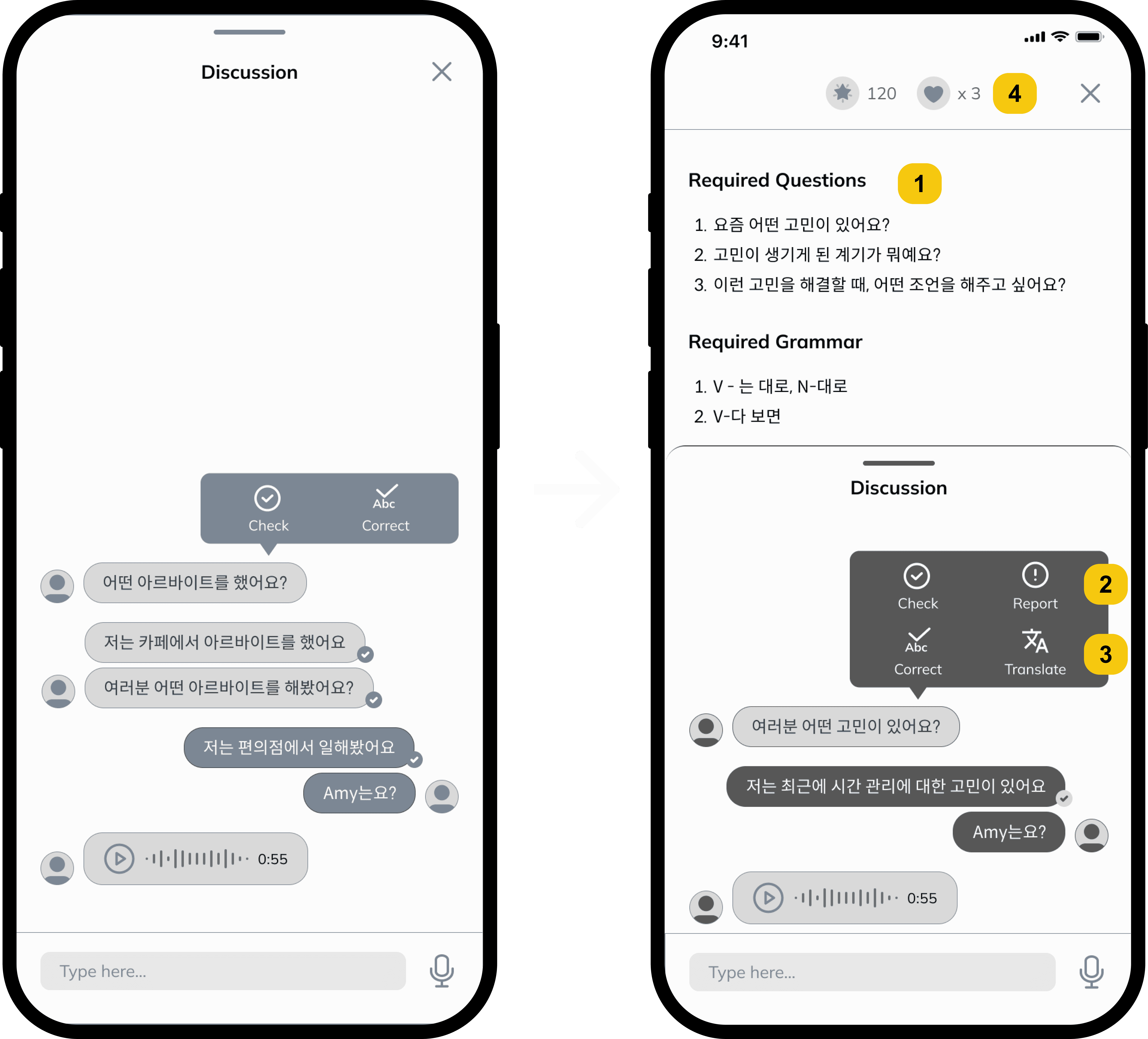
During usability testing with 2 focus groups, I identified a critical risk common in social learning products: toxic competition and anxiety.
Design Improvements:
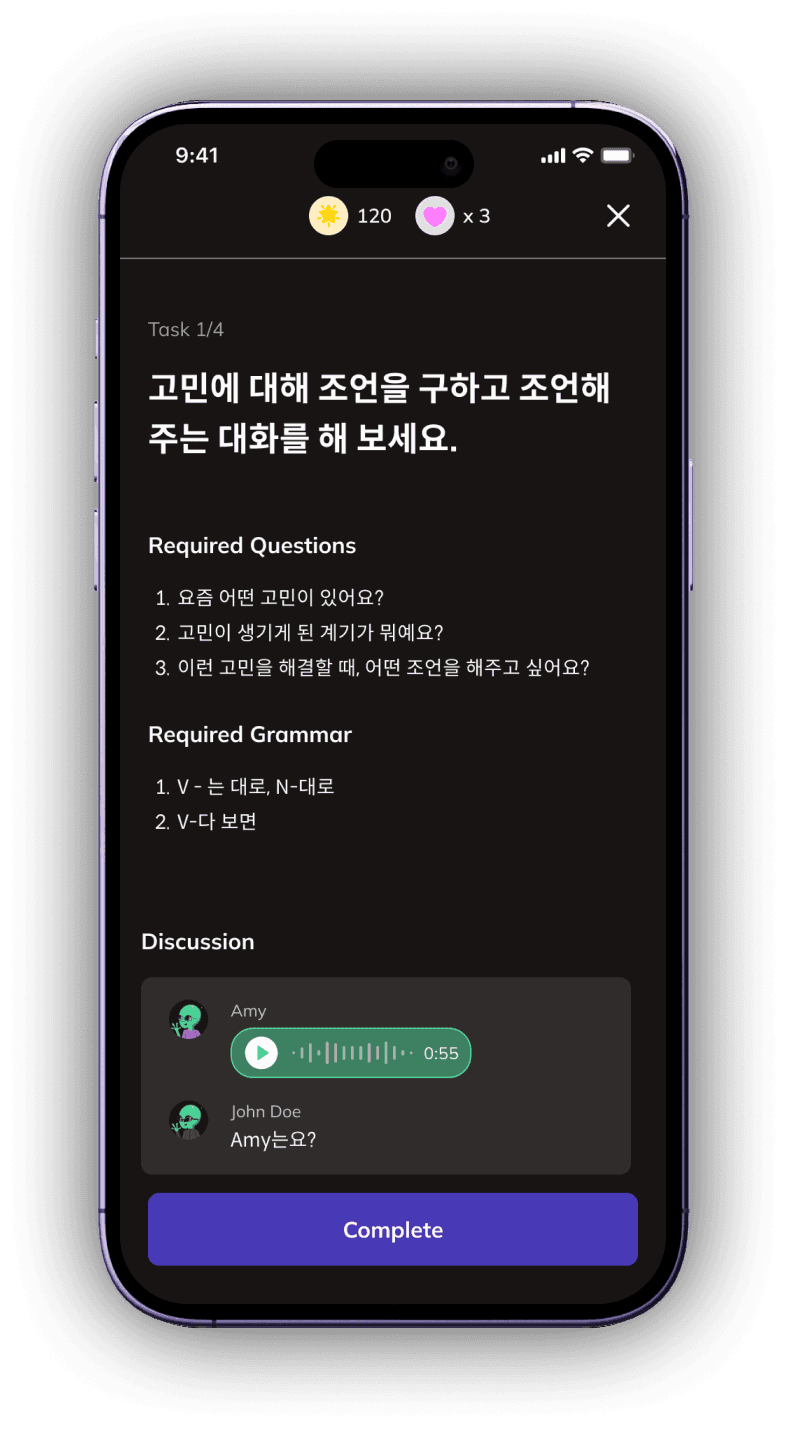
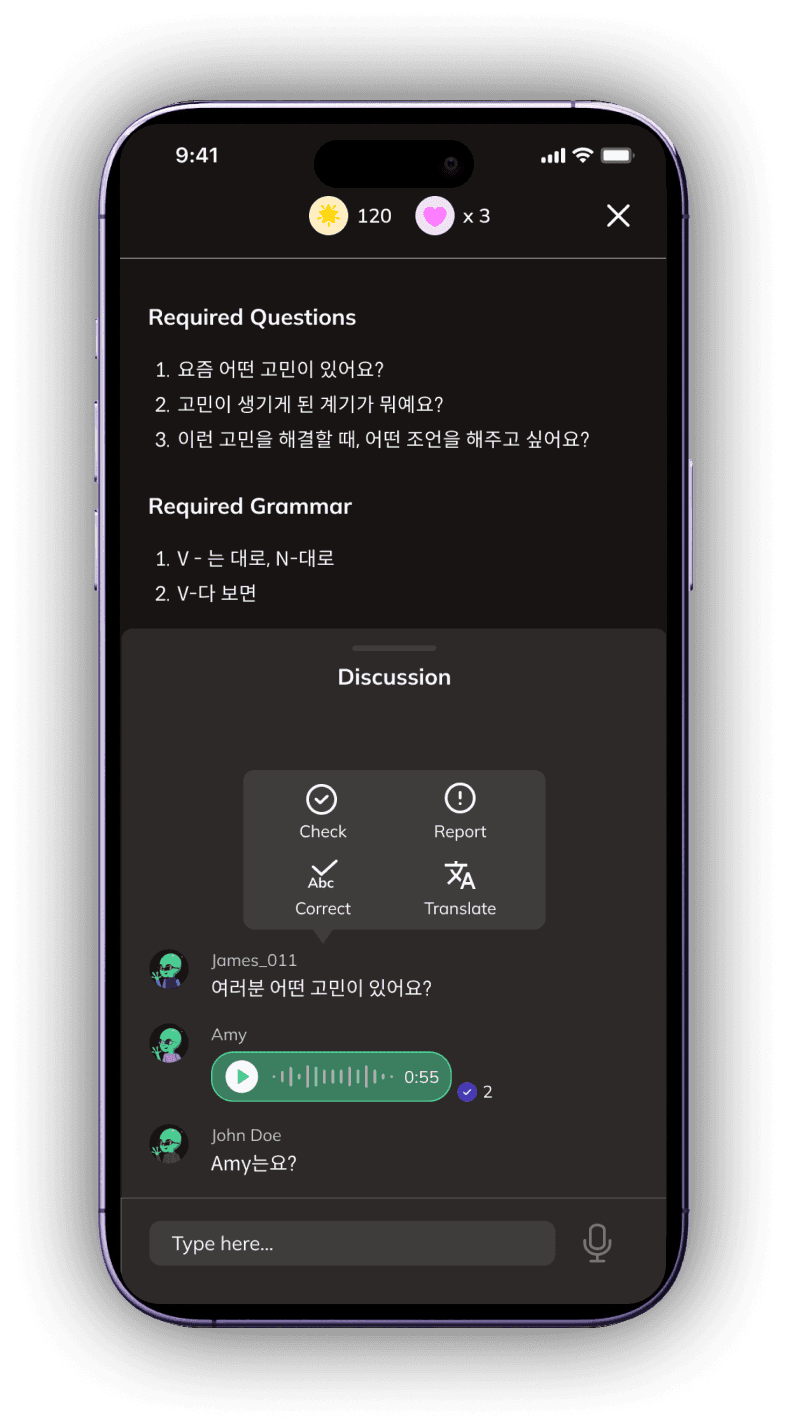
Edited Discussions in collaborative challenges to keep users task-oriented
Added reporting to flag inappropriate behavior
Added translations to help users communicate better.
Introduced a Penalty System:
Lose 1 life for inappropriate behavior
0 lives = temporary challenge ban
Final Design
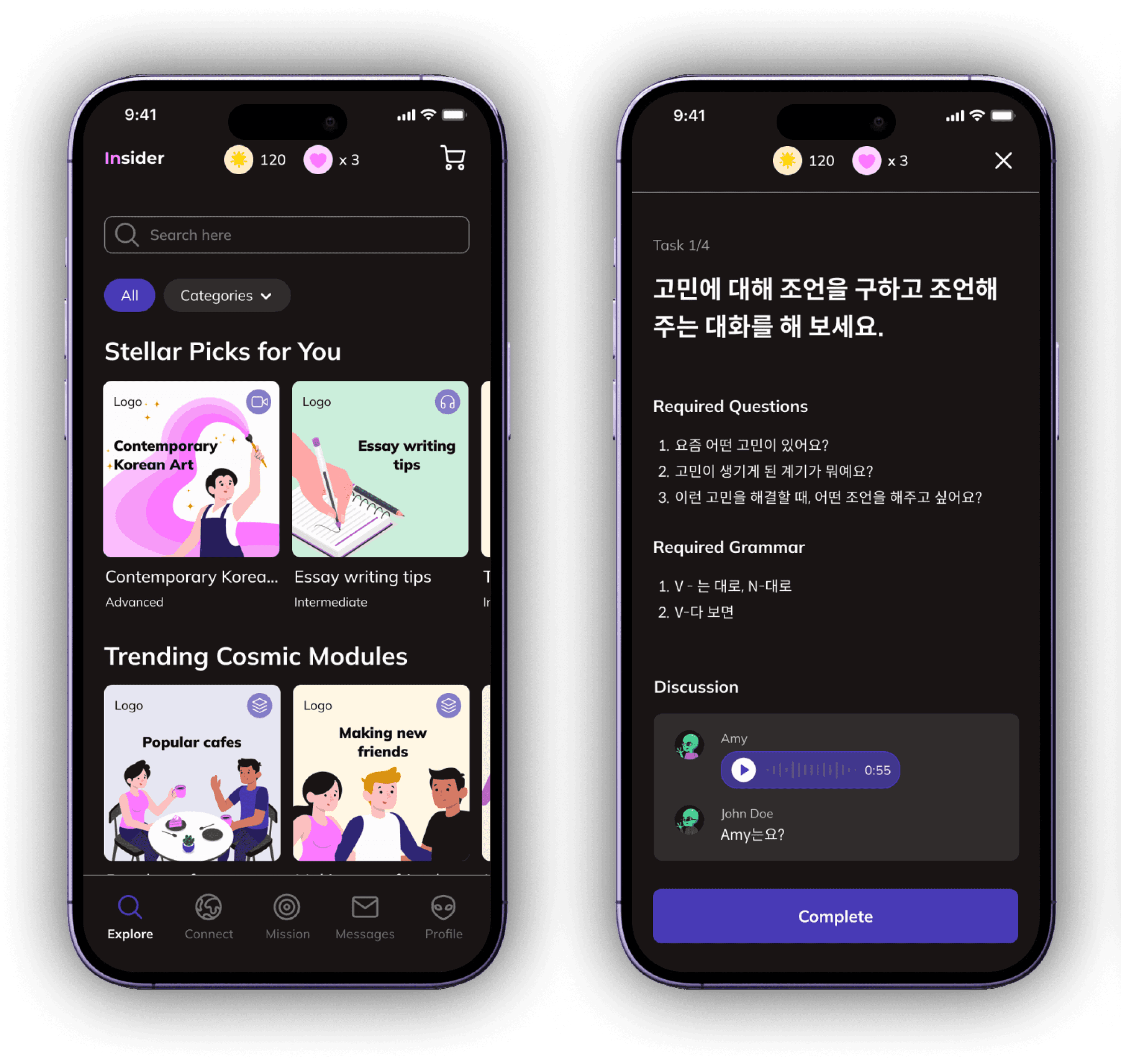
Design for a Personalized Learning Ecosystem
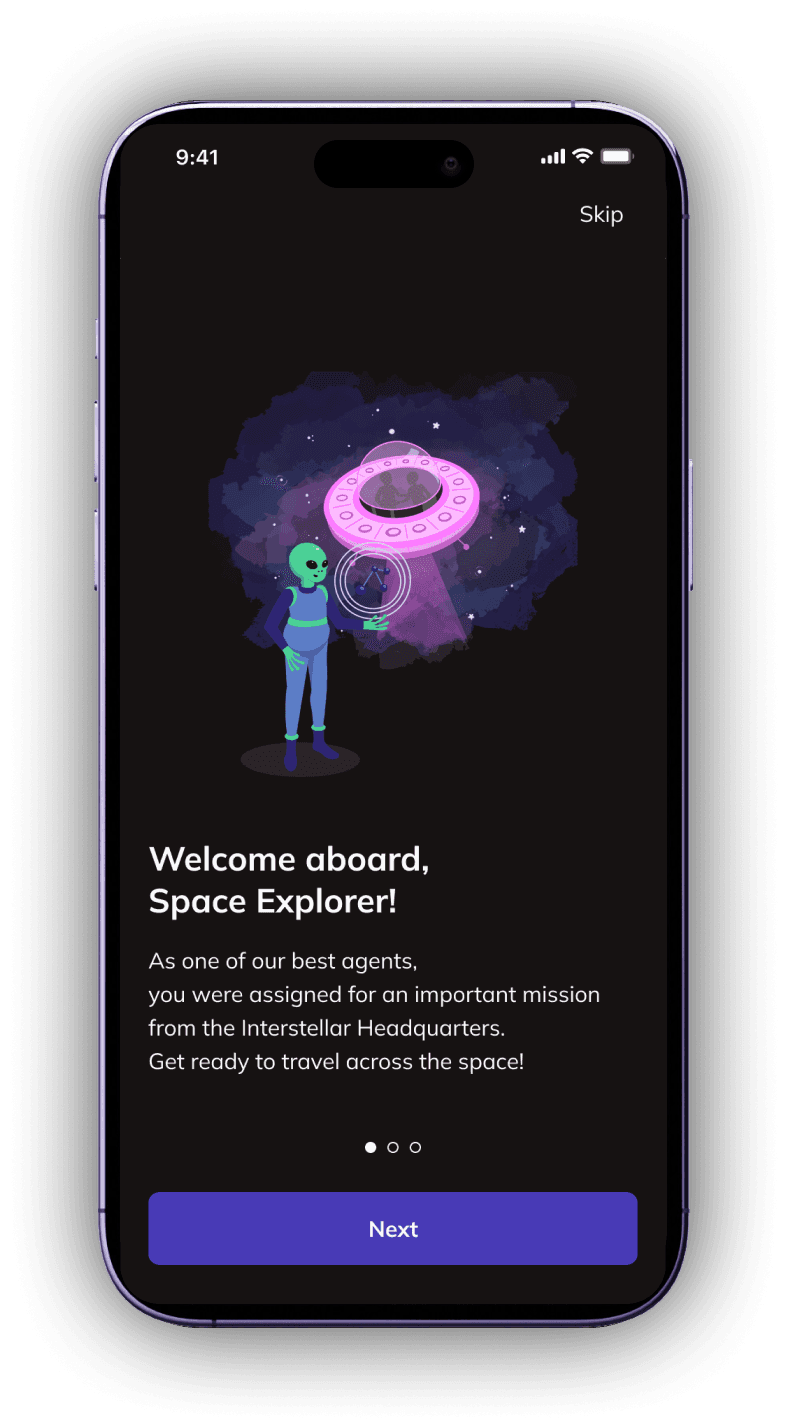
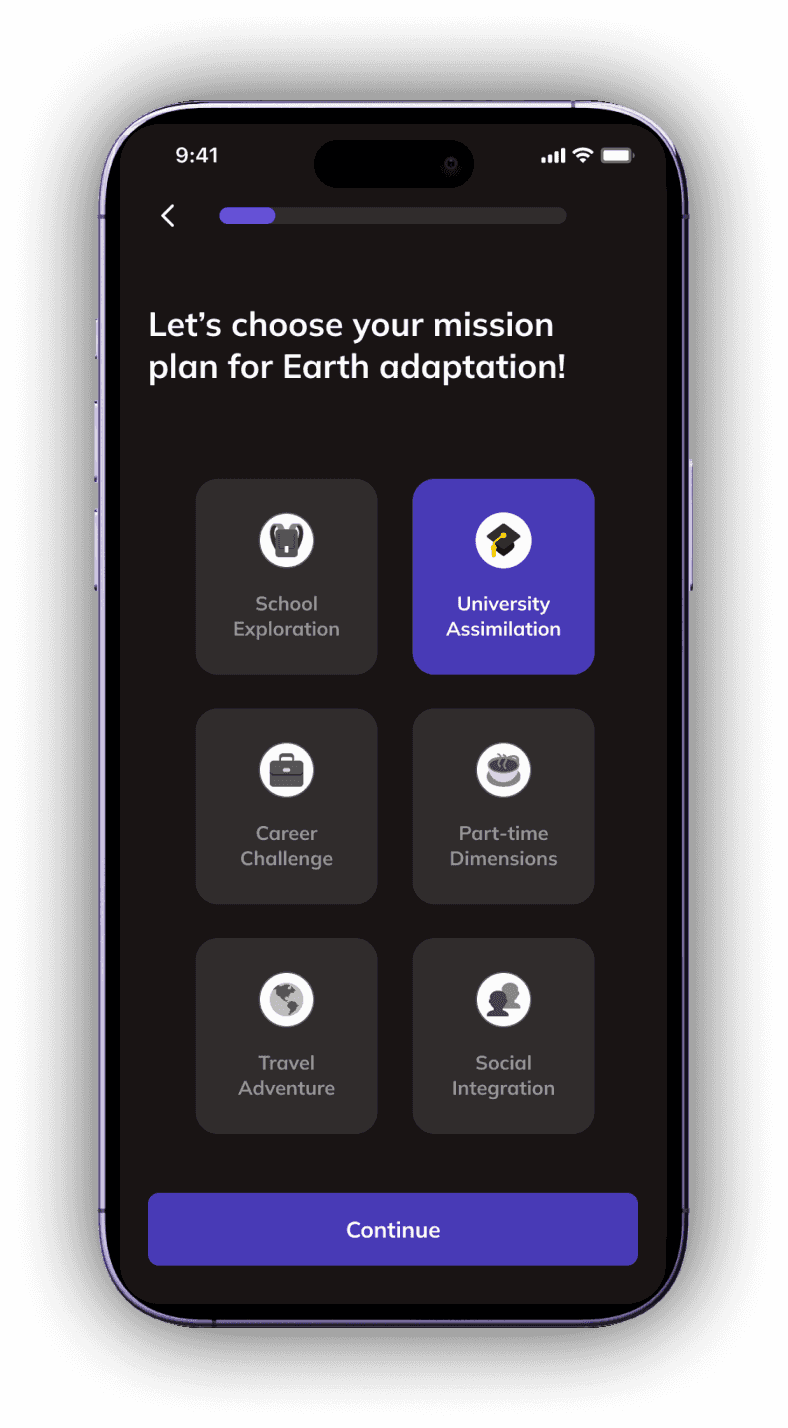
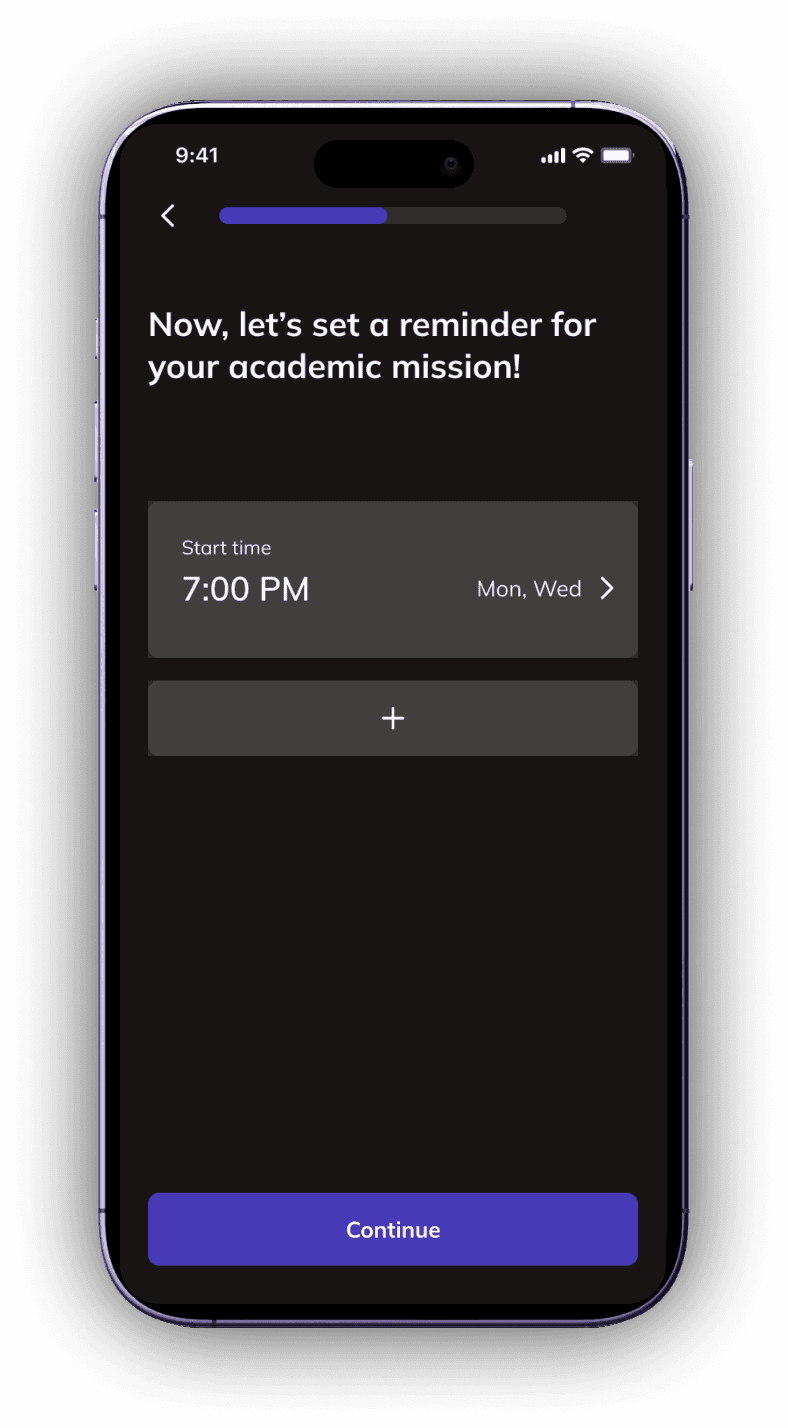
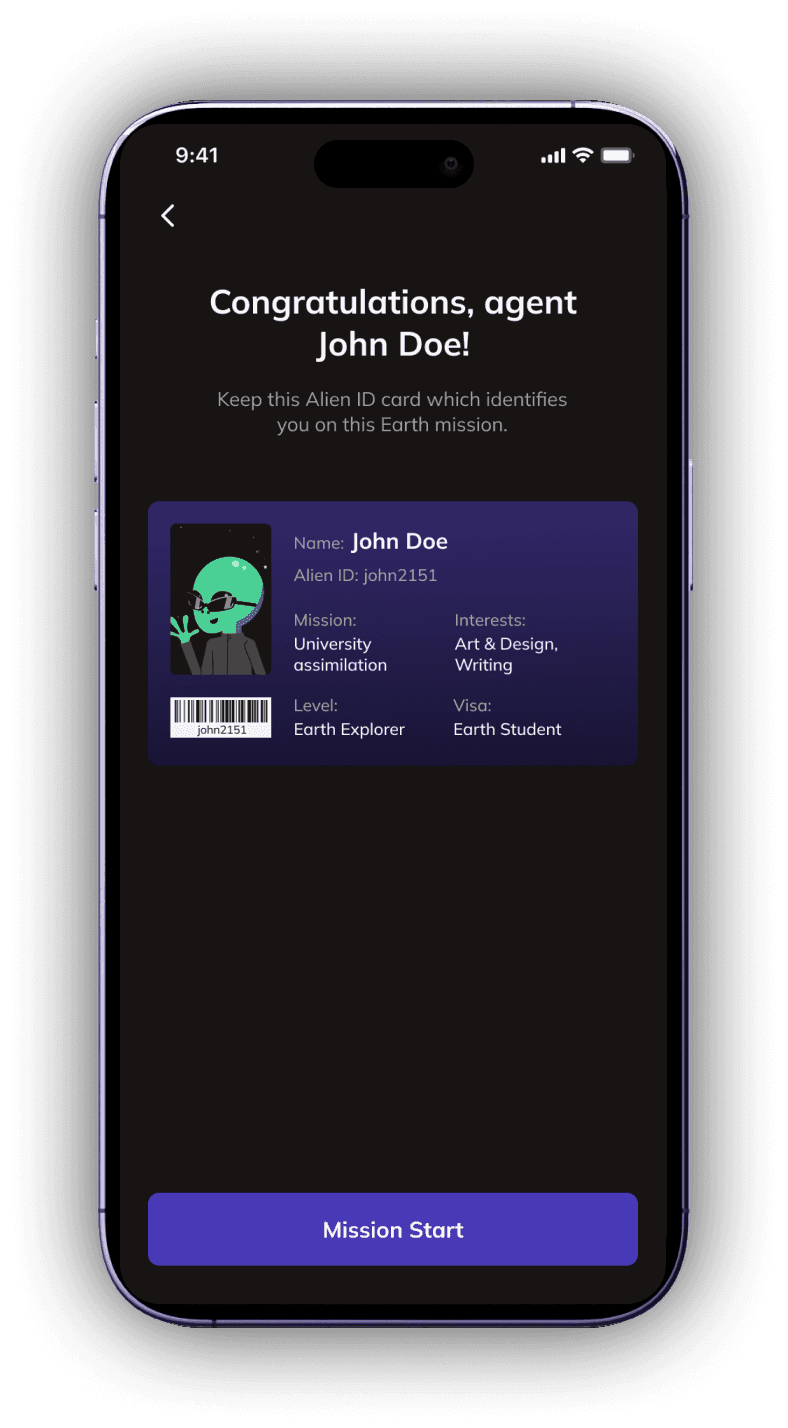
Onboarding - your mission begins!
Motivational techniques used:
Story, choice and customization
Adapted as:
Reason:
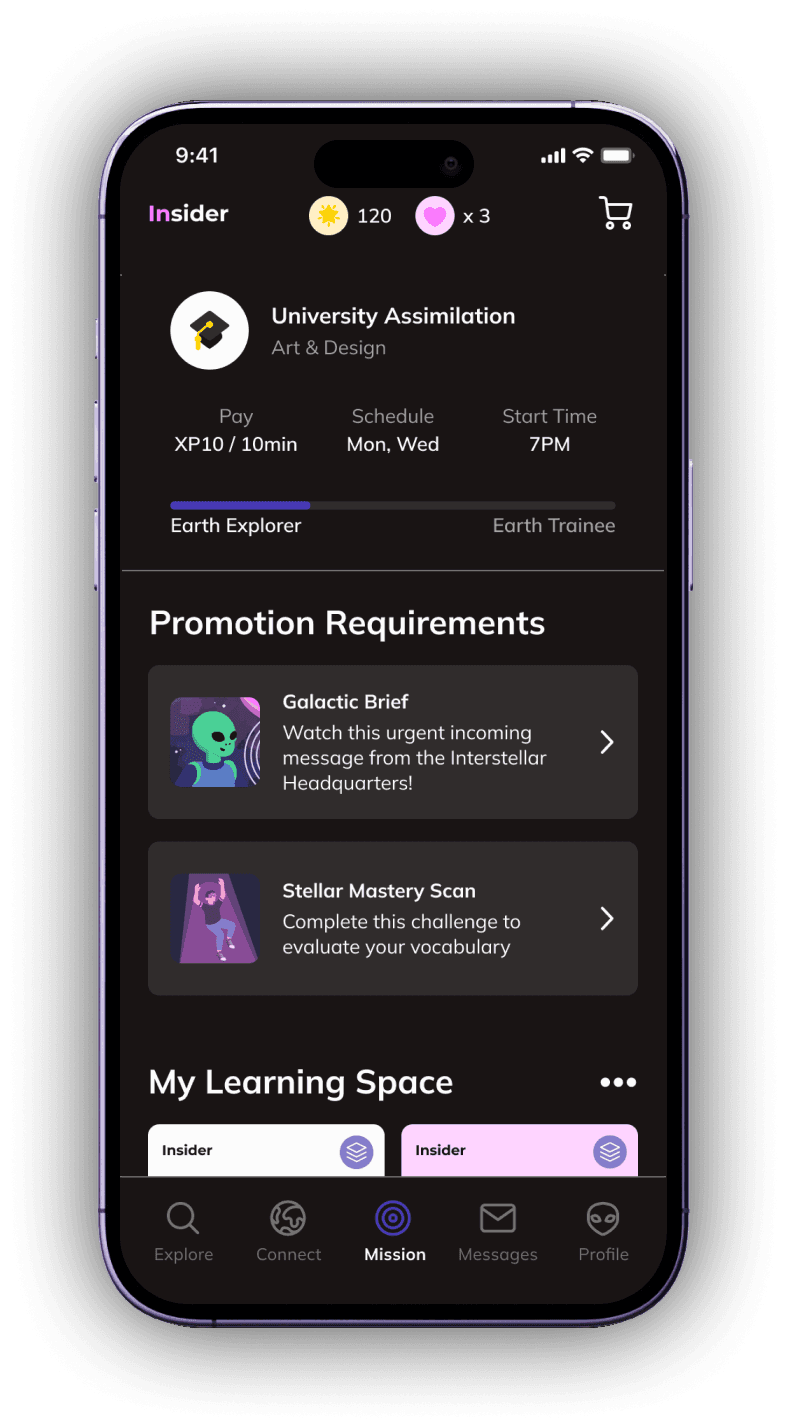
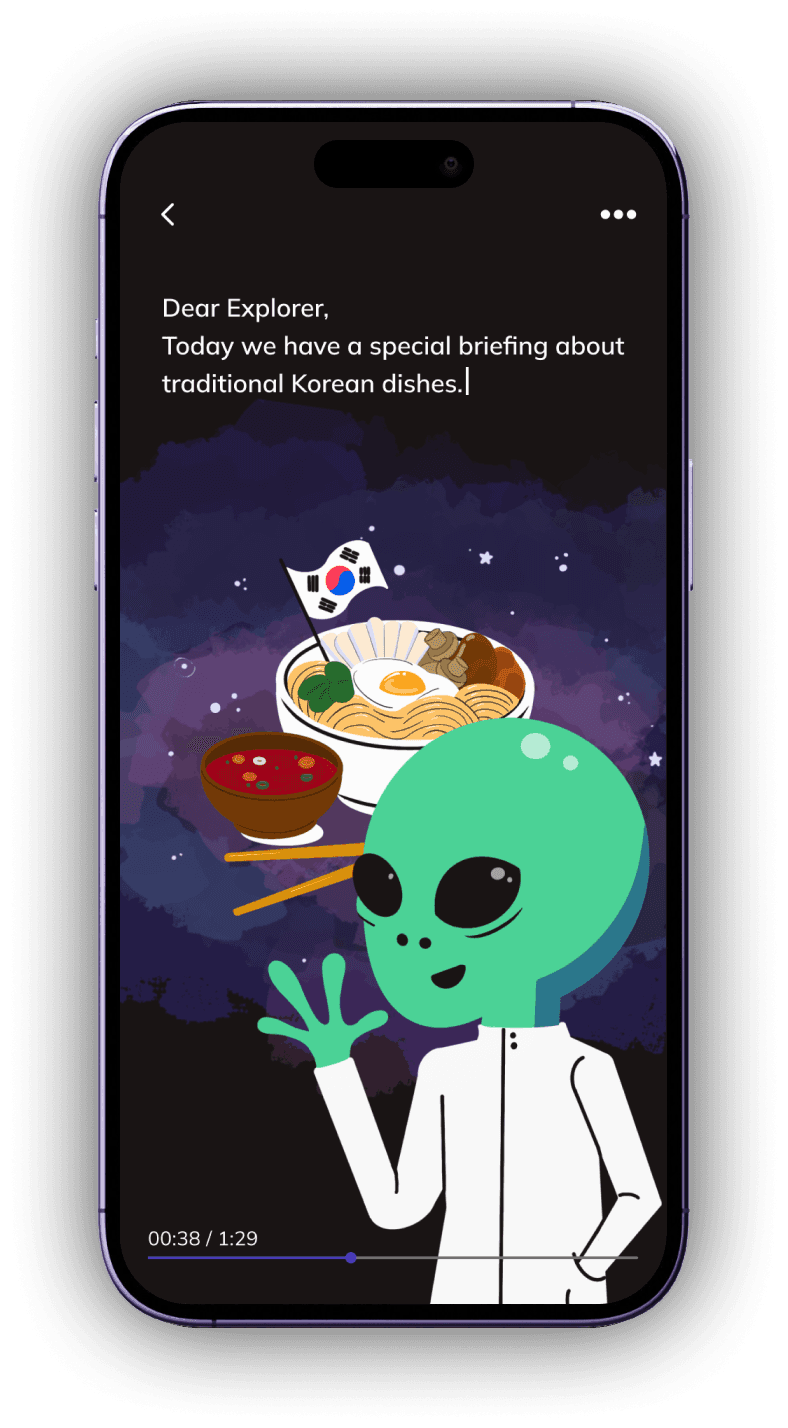
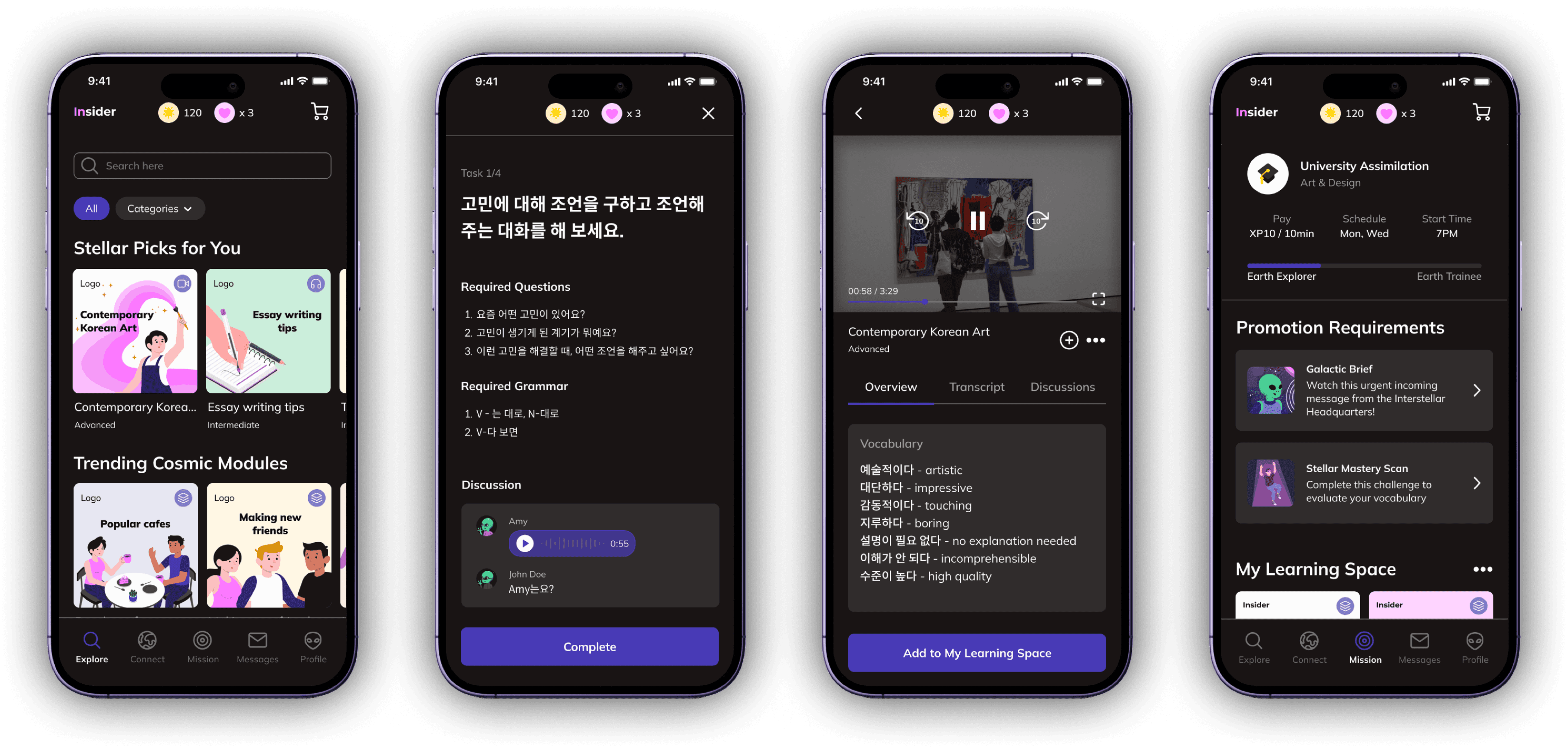
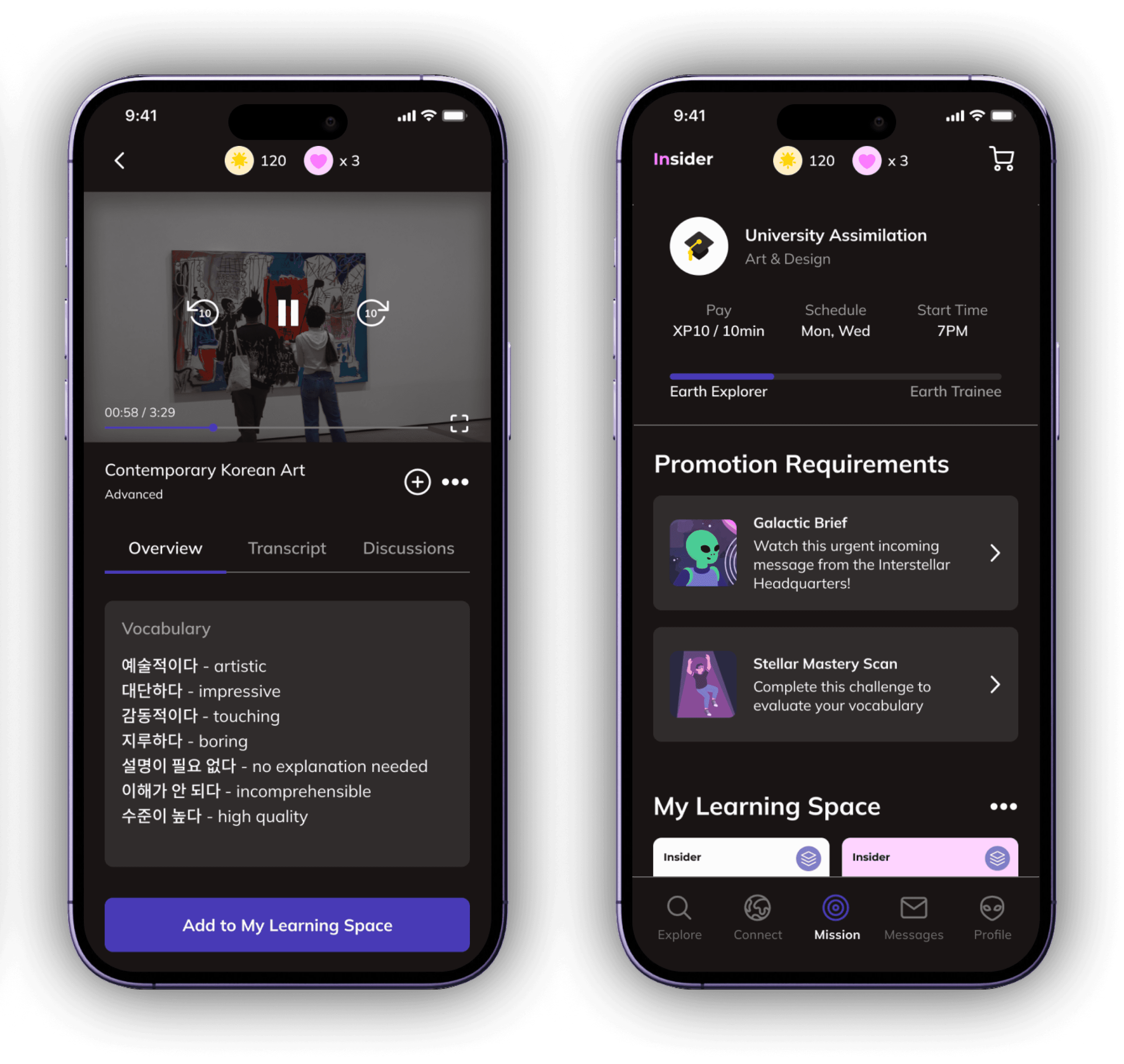
Promotion Requirements and Galactic Briefs
Motivational techniques used:
Story, mystery box
Adapted as:
Daily short cultural stories - Galactic Briefs
Randomized topics about Korean life and culture
Reason:

Customizable learning experience
Motivational techniques used:
Choice, personalization, ownership
Adapted as:
Reason:
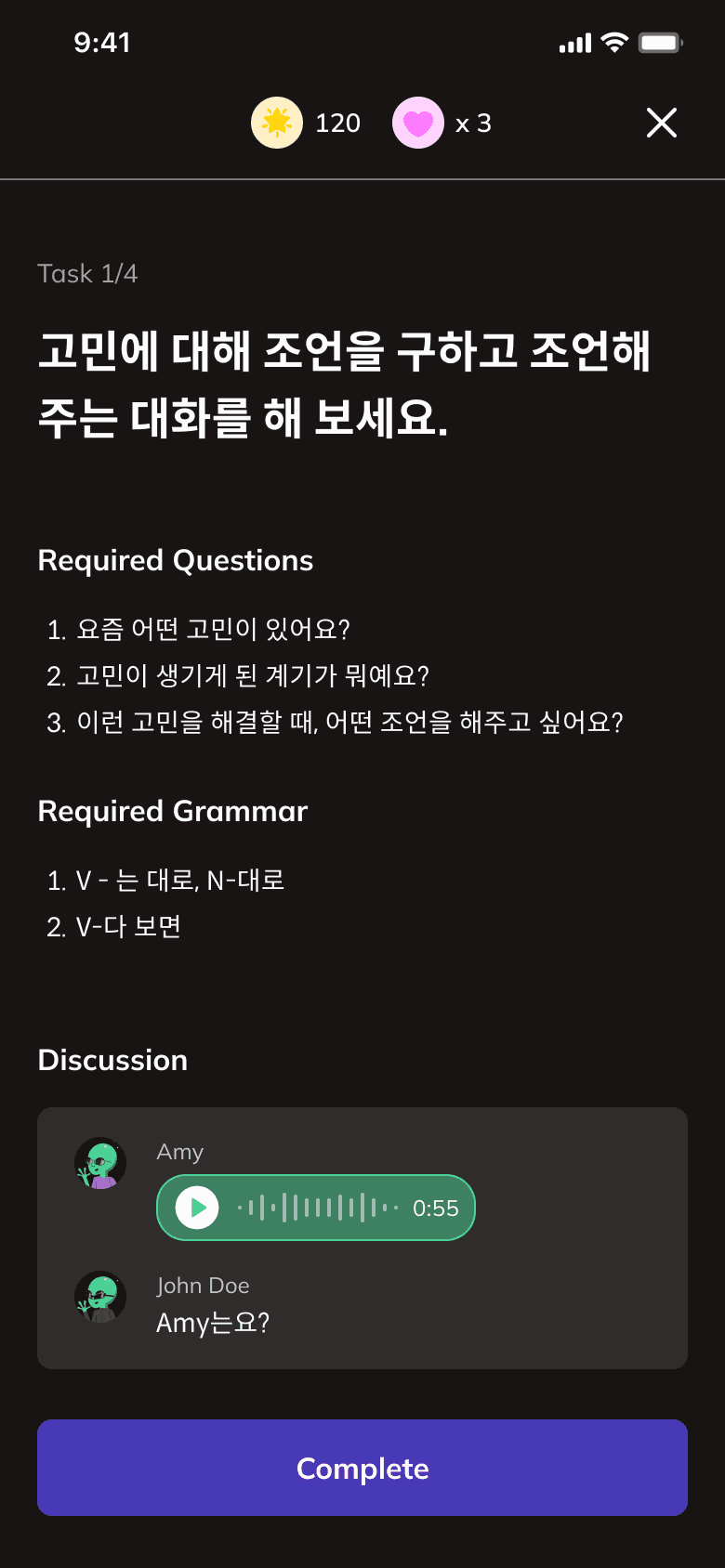
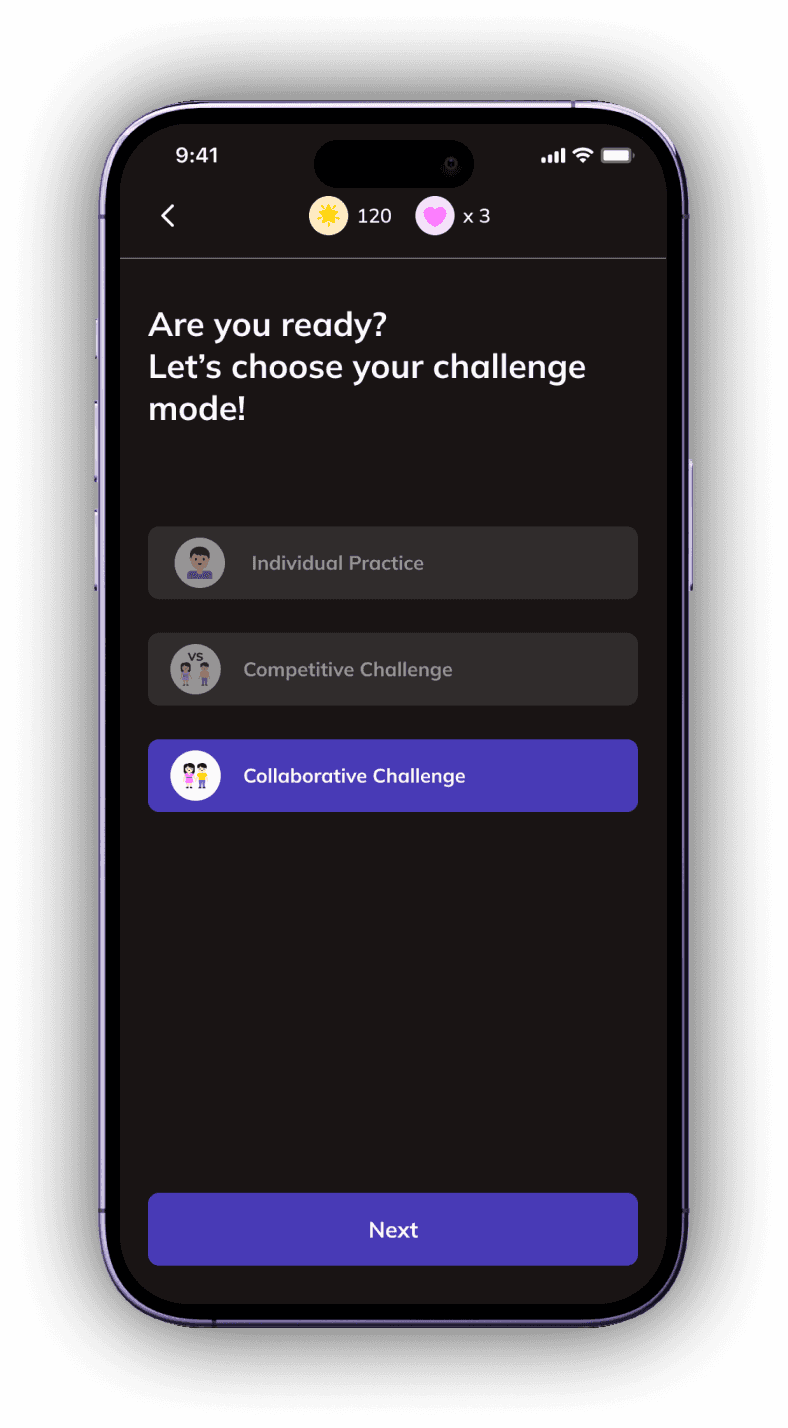
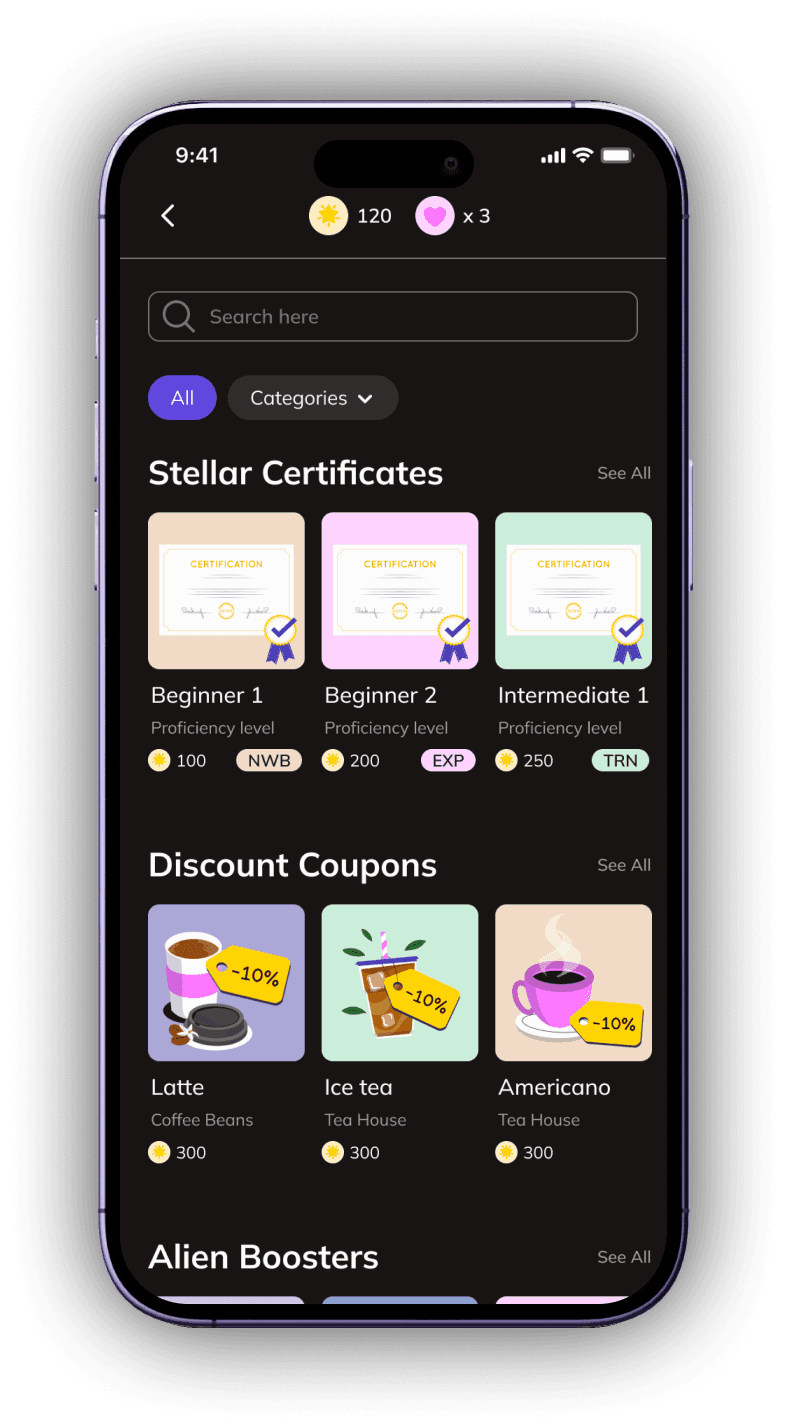
Different challenge modes
Motivational techniques used:
Progress feedback, challenges, collaborations, choice, rewards
Adapted as:
Reason:
Different users are motivated in different ways
Choice prevents pressure and burnout
(competitions can be stressful)Rewards reinforce continued practice
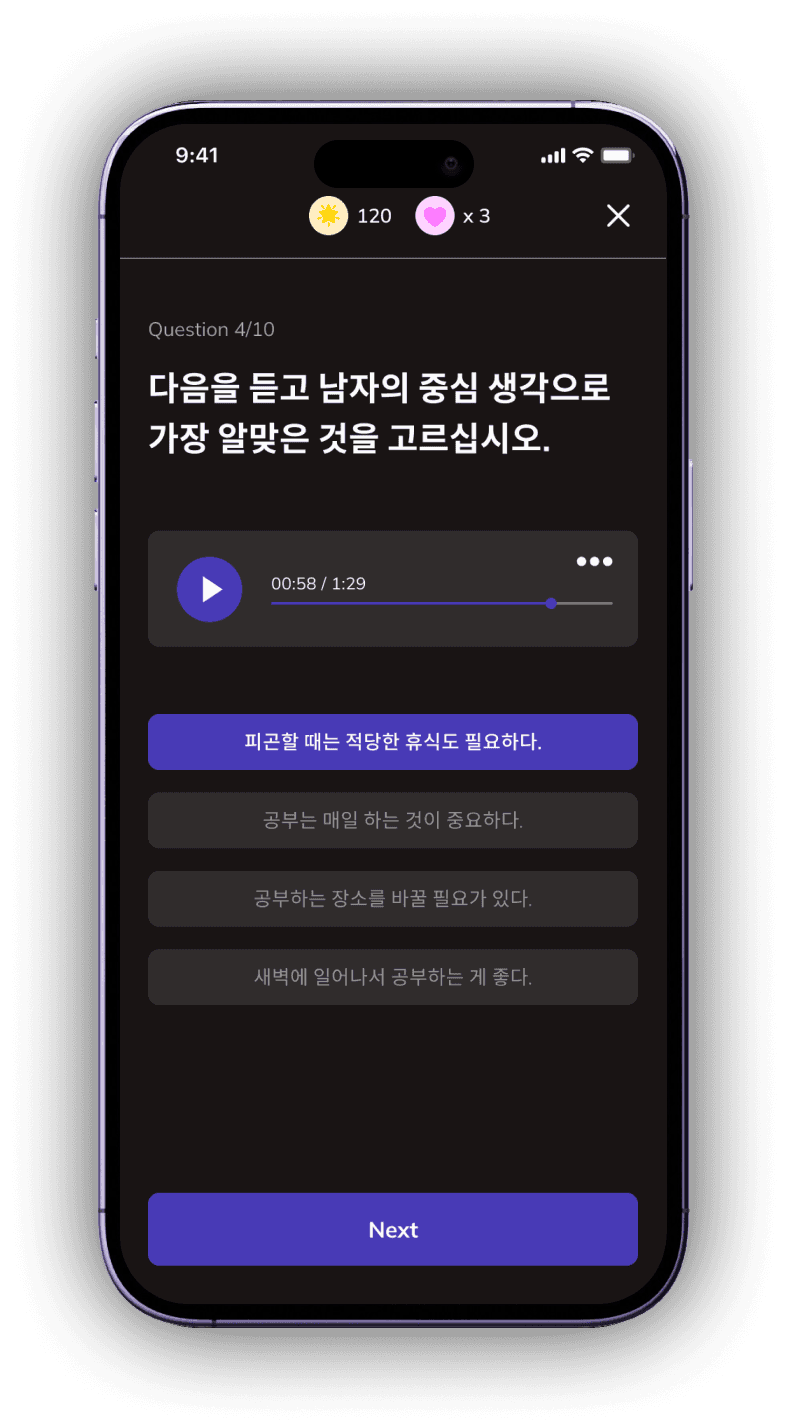
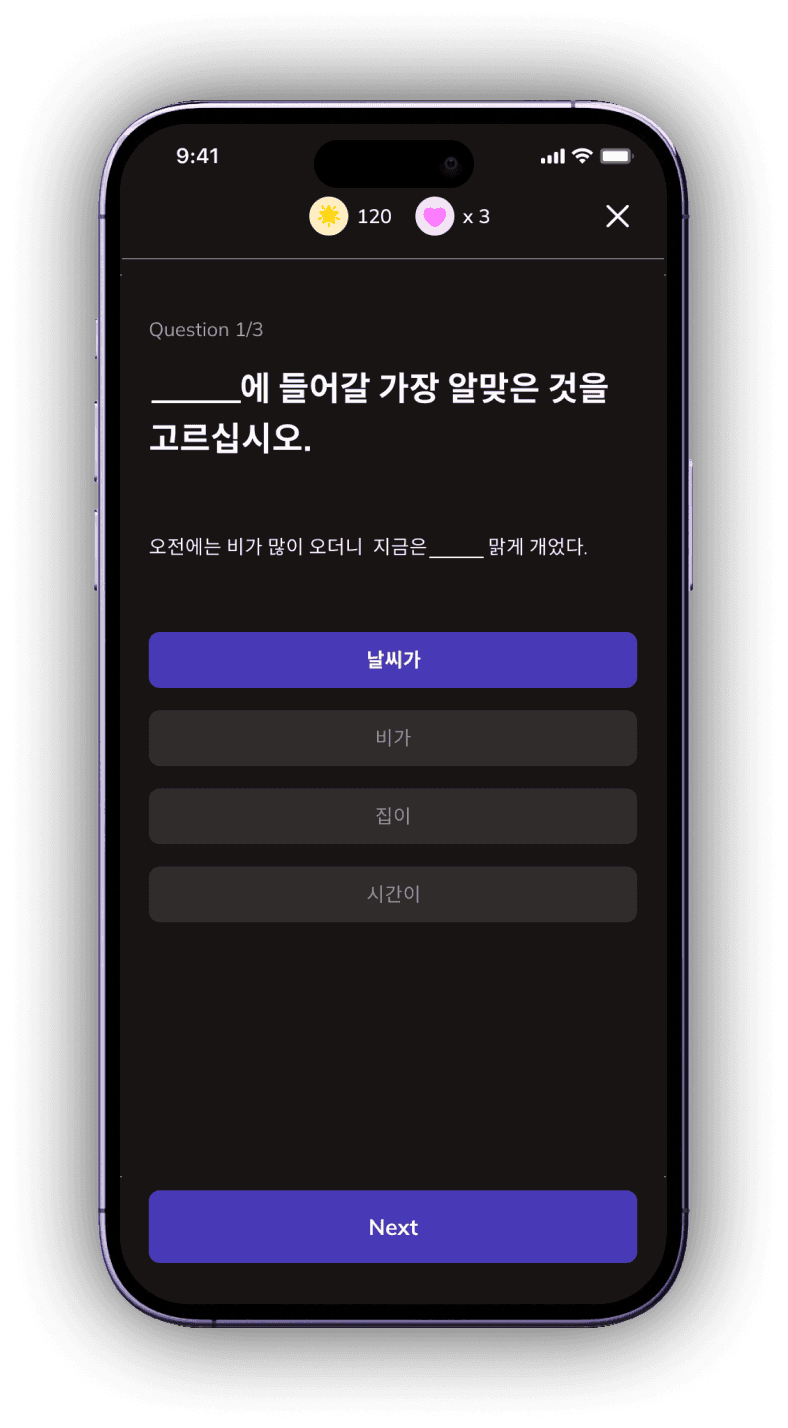
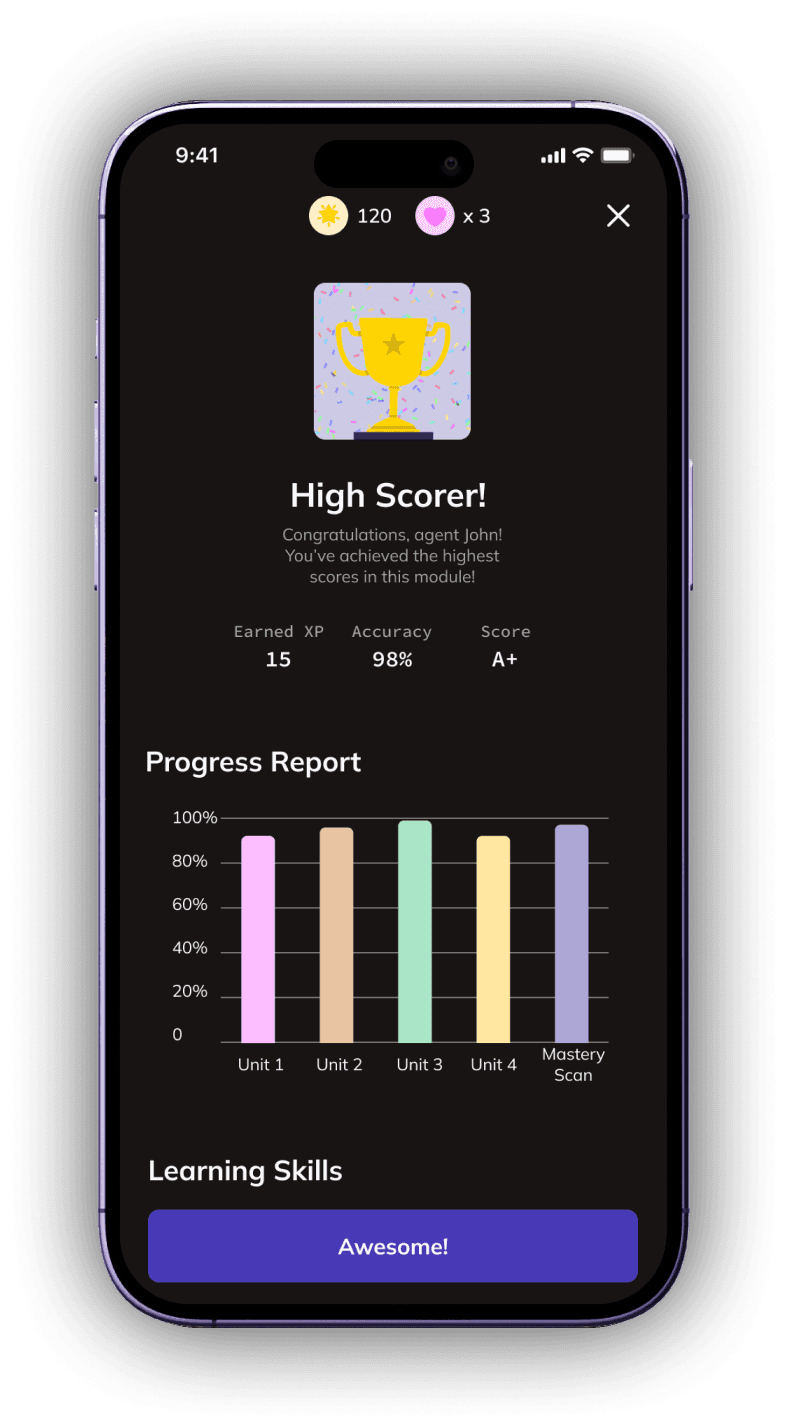
Test and Review what you've learned
Motivational techniques used:
Challenges, feedback, review practice, rewards
Adapted as:
The Stellar Mastery Scan unlocks as a review task
Tests grammar and vocabulary knowledge
Gives structured feedback instead of pass/fail
Reason:
Helps users see real progress and review anytime
Builds confidence instead of frustration
Encourages continued learning (continuous app usage!)
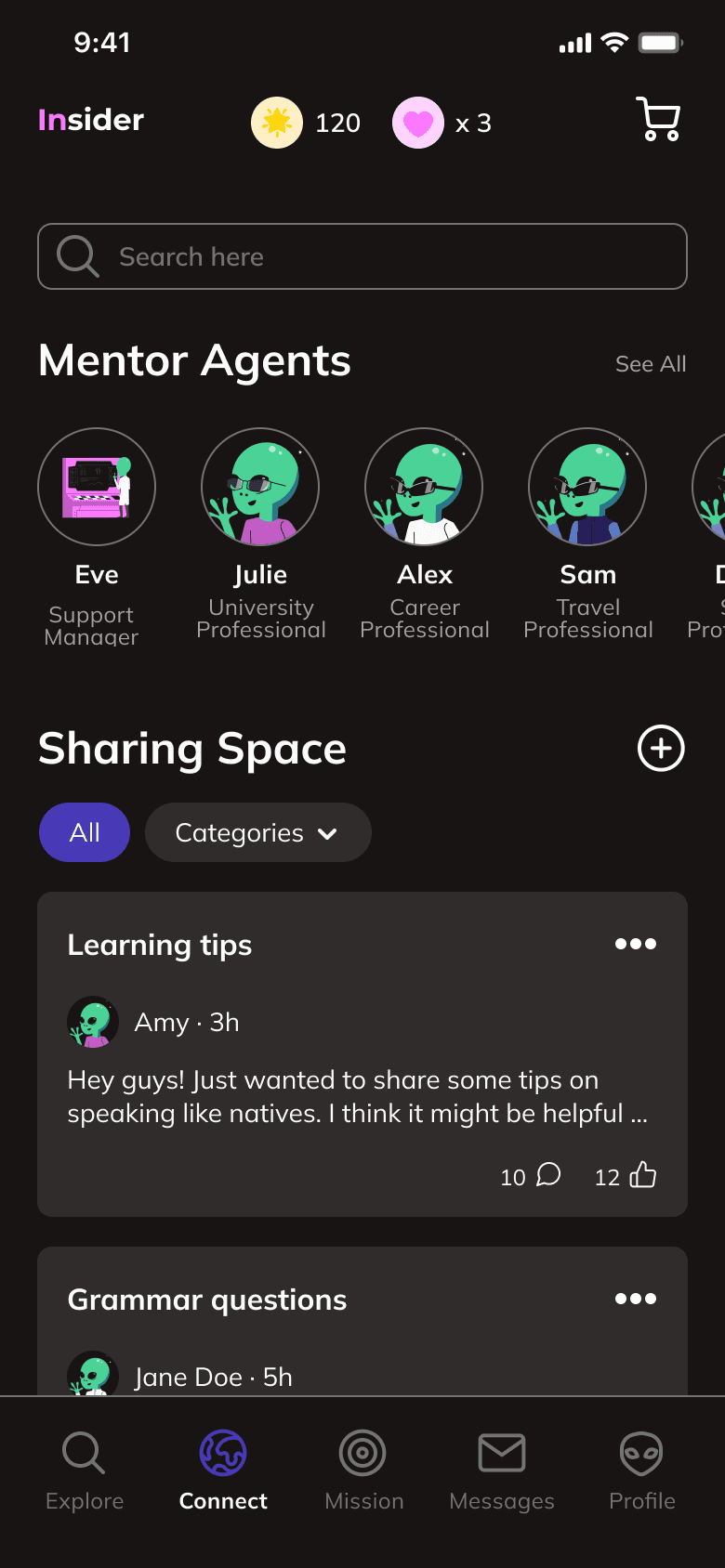
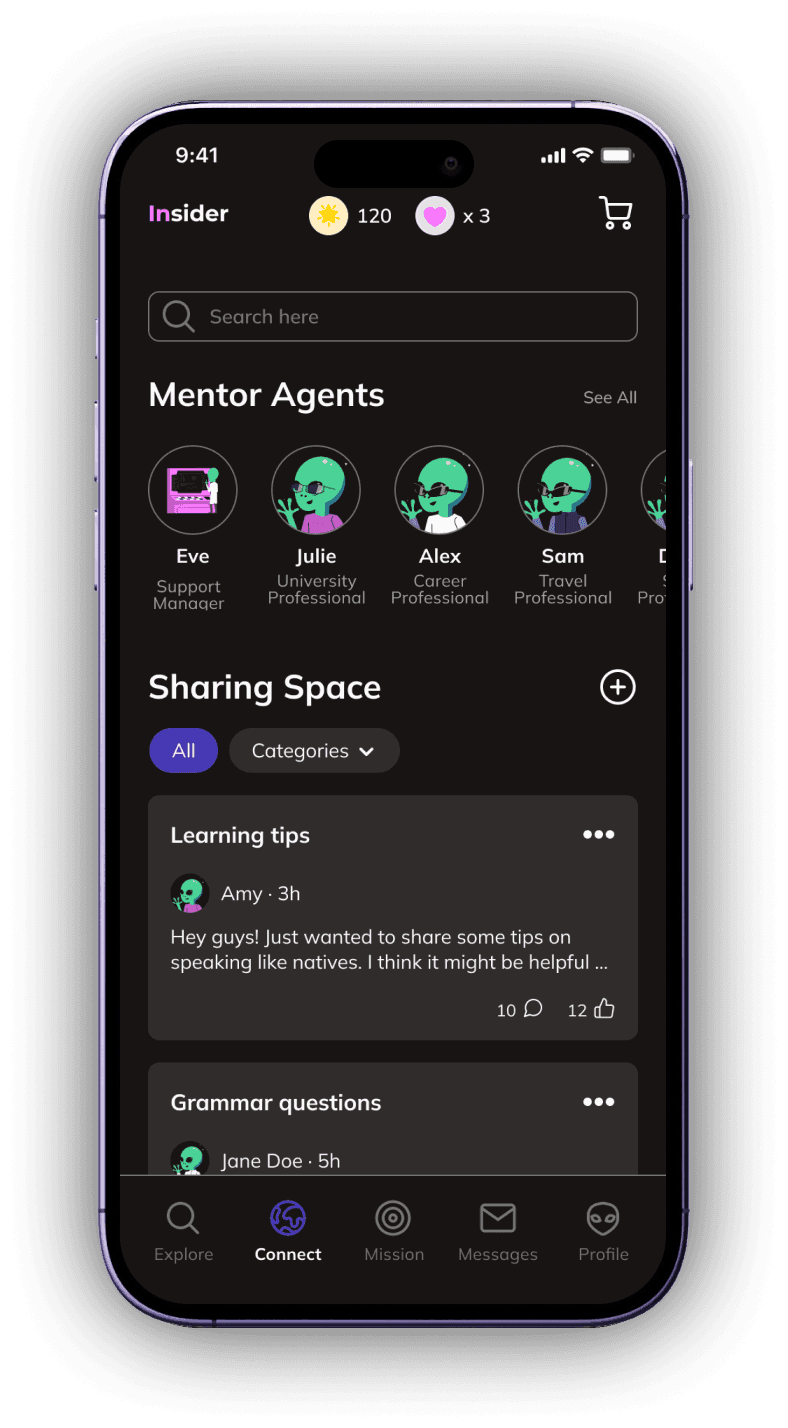
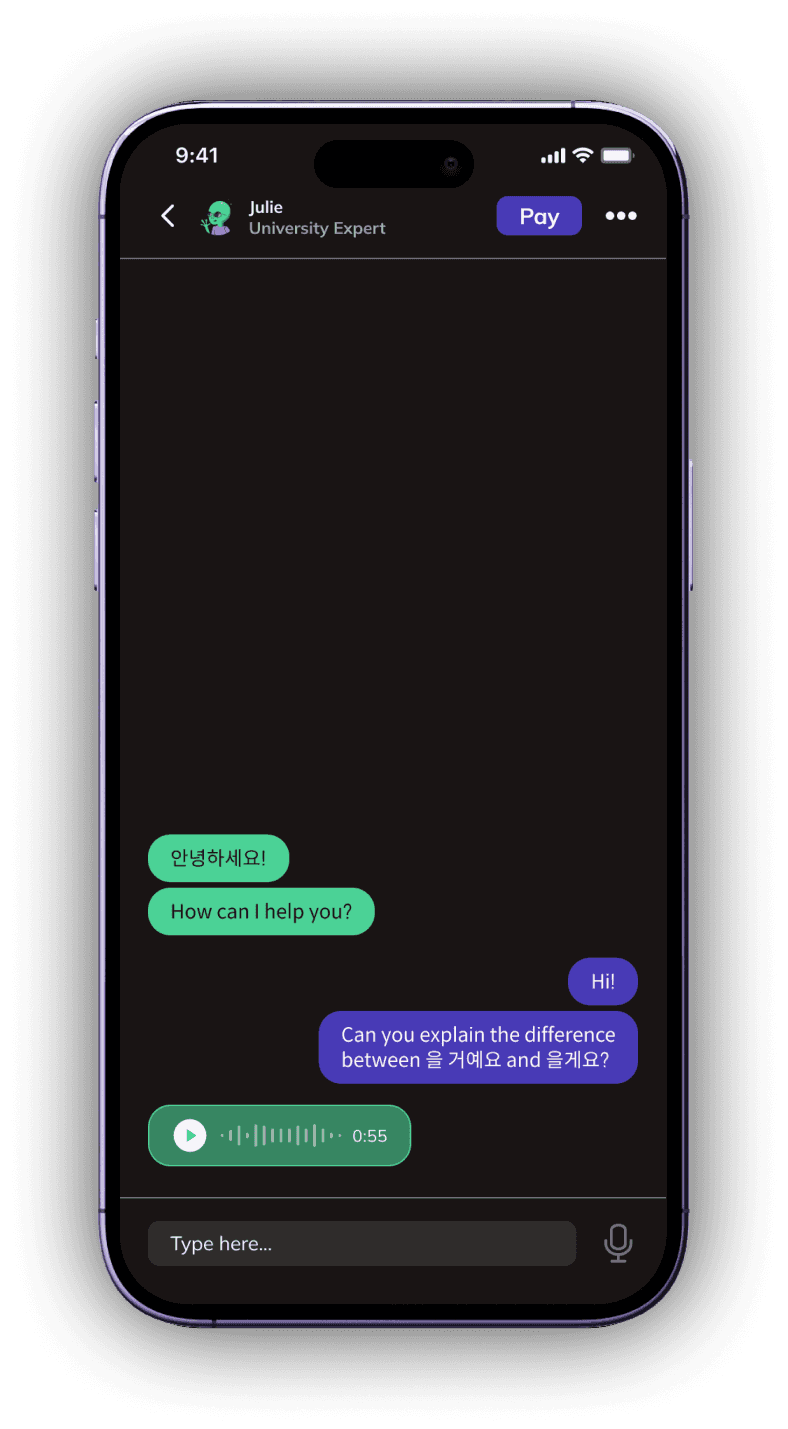
Mentor Agents & Sharing Space
Motivational techniques used:
Mentorship, peer support, social exchange
Adapted as:
Users can ask Mentor Agents for help
Users can become mentors themselves
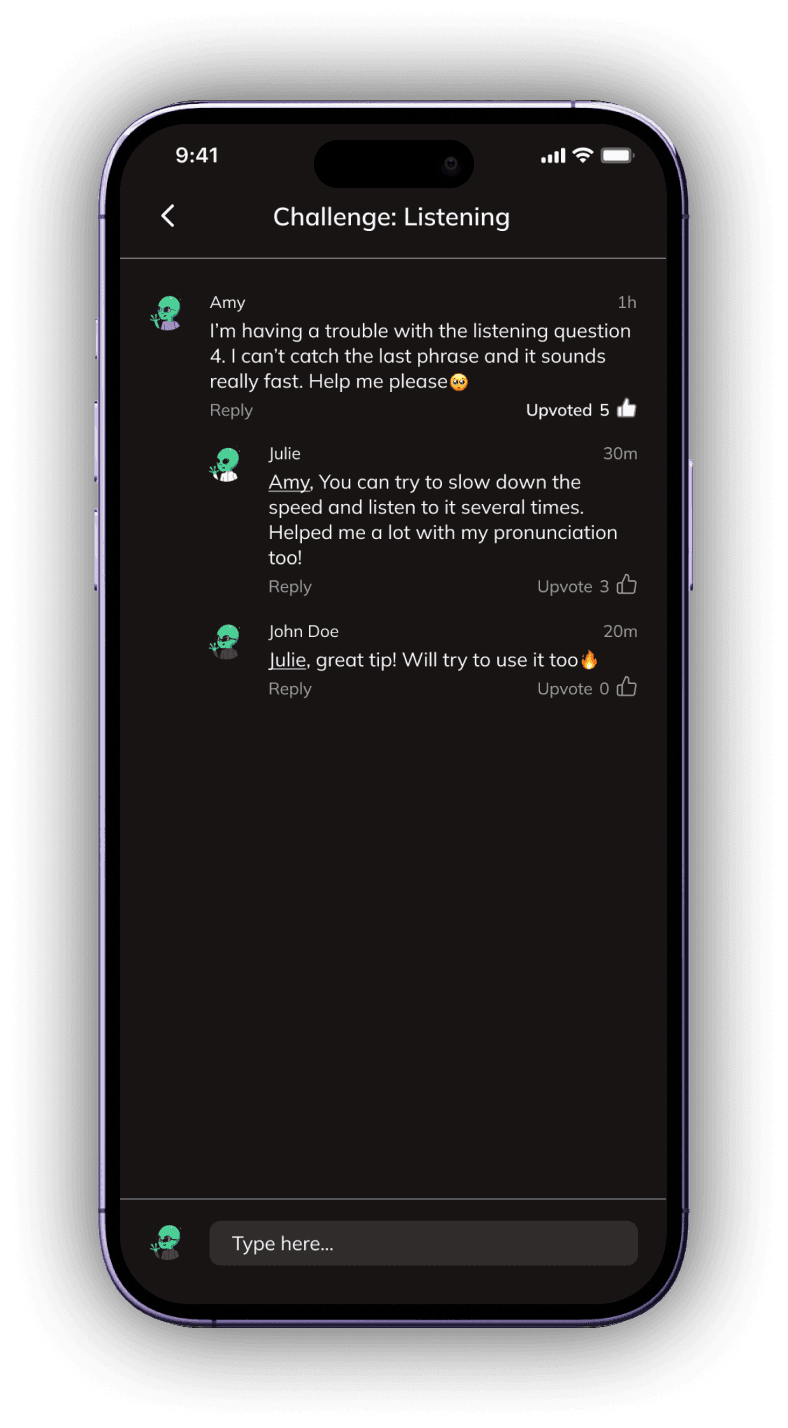
Community discussion spaces
Reason:
People persist longer when they feel supported
Teaching others strengthens motivation
Reduces dropout caused by learning alone
New conversations can encourage repeat visits
Reflection
Conclusion
I've completed my biggest UX project and got my Master's degree (Woohoo!)
I definitely learned a lot and hope to continue improving my UX design skills.
If taken to a production, next steps would be:
Collaborations and update
Collaborate with PMs and engineers to translate the concept into real product and update if needed
Analytics
Tracking time-to-mastery, user retention, and churn
Usability tests
Test with learners in real-life scenarios